Humanoid Motion & Interaction
R1
Compare R1 AIR, R1 and EDU. Demonstrations and custom programming require different versions.
Explore R1 Models & Versions

Vinci AI supplies Unitree robots and accessories for schools and research teams. Buy equipment on its own, with training and custom development available separately.
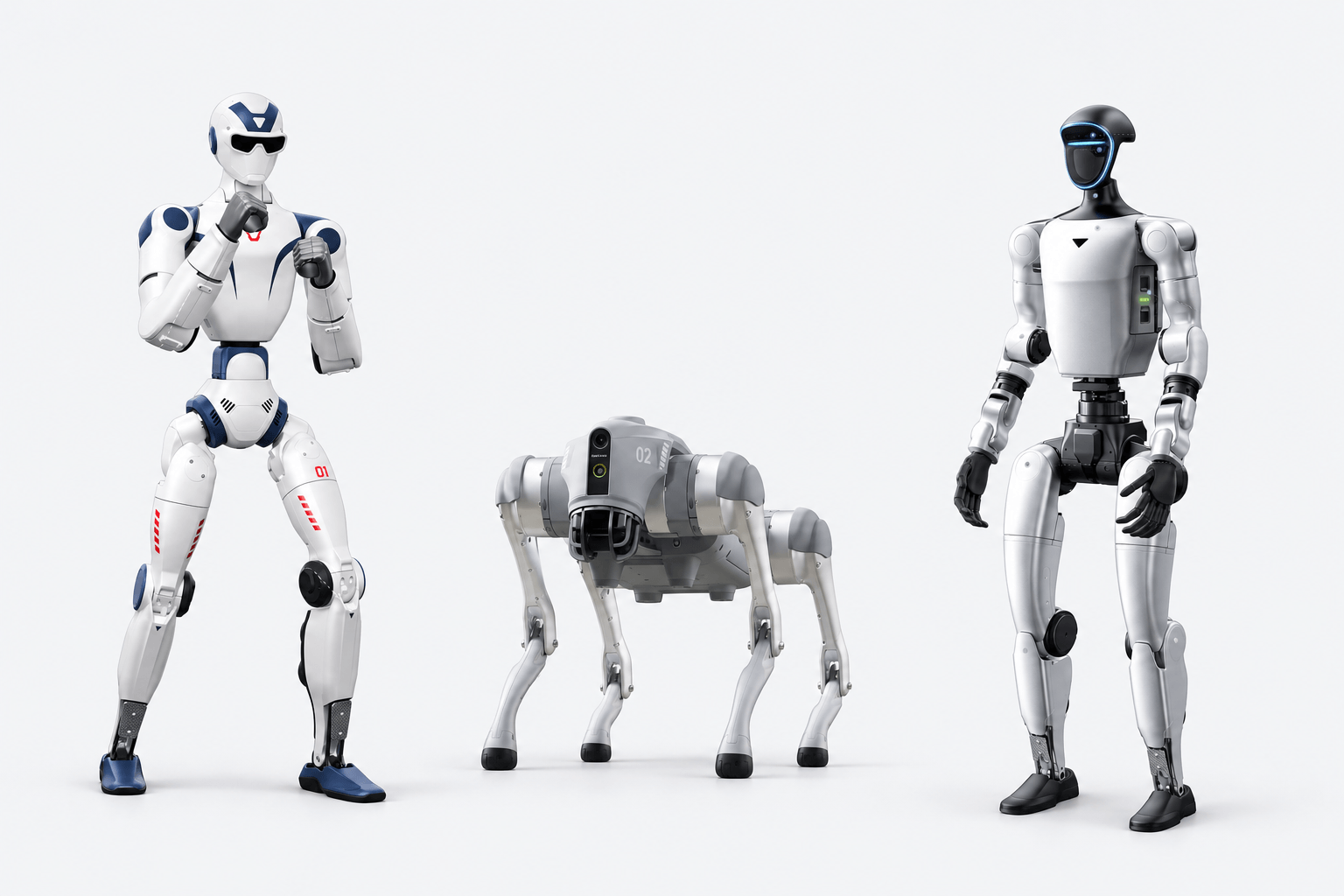
Humanoid Motion & Interaction
Compare R1 AIR, R1 and EDU. Demonstrations and custom programming require different versions.
Explore R1 Models & VersionsQuadruped Mobility & Perception
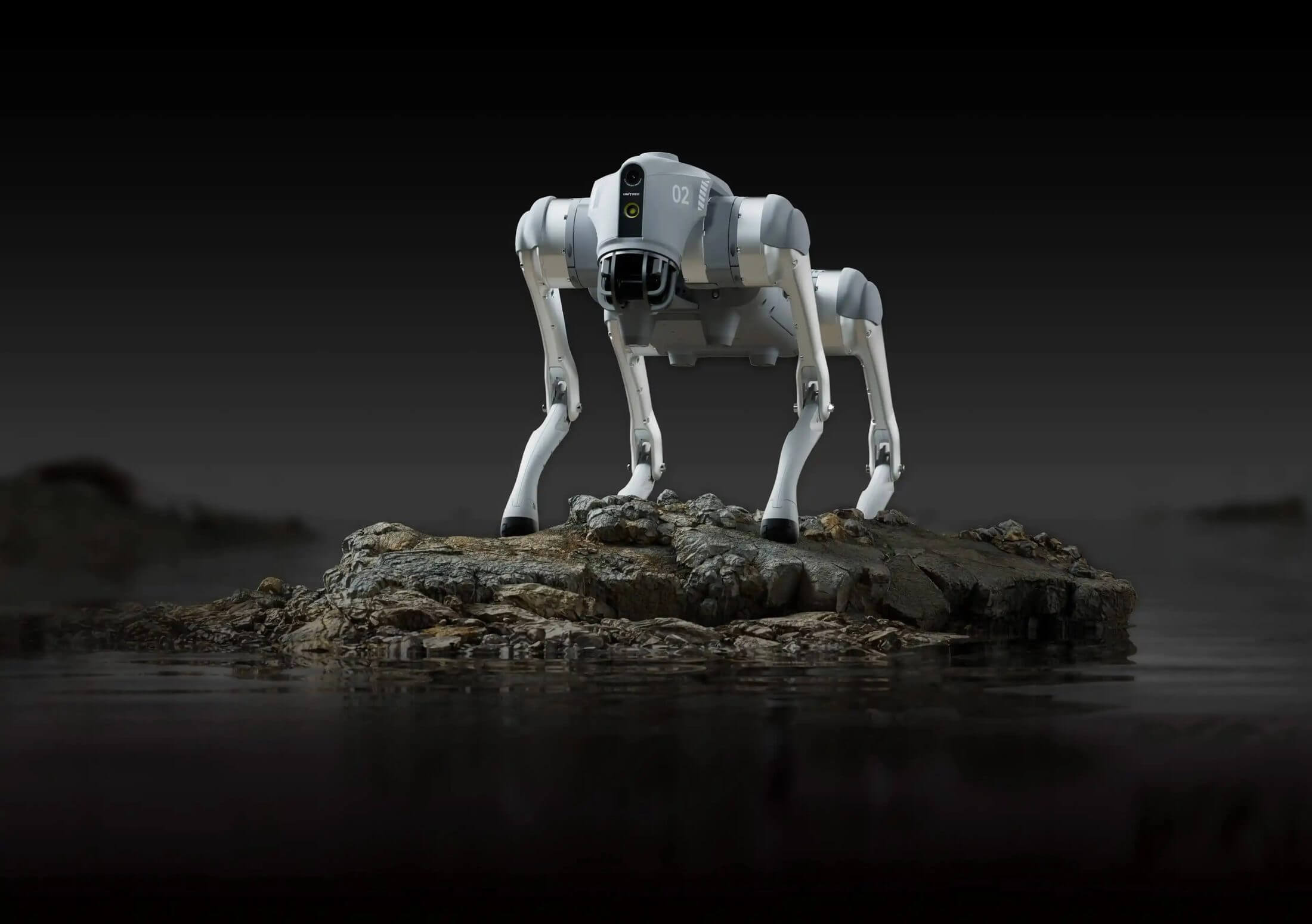
A quadruped robot with app control and perception features. Interfaces and development support differ across AIR, PRO, X and EDU.
Explore Go2 Models & VersionsWhole-Body Control & Grasping
A humanoid robot with a depth camera and LiDAR. EDU configurations offer a choice of hands, computing modules and development options for research.
Explore G1 Models & Versions
Full-Size Humanoid Robot
Compare H2 and H2 EDU for demonstrations or custom development.
Explore H2 Models & Versions
Industrial Quadruped Robot
Explore industrial quadruped configurations by payload, endurance, perception and integration needs.
Explore B2 Models & ConfigurationsBrowse humanoid and quadruped robots, or find robotic arms, dexterous hands, sensors and drive components.
Search 47 robots and accessories, or browse the categories below.
No matching items. Try a model name or accessory type, or ask us to help you choose.
Choose humanoid, quadruped or wheeled-leg robots by mobility and task.
A 1.23 m humanoid: AIR has 20 degrees of freedom and weighs 27 kg; R1 has 26 degrees of freedom and weighs 29 kg. EDU provides joint control and a development-focused learning path.
Technical DifferencesSmaller and lighter than the 1.32 m, approximately 35 kg G1. AIR has fewer waist and head joints; R1 increases the total to 26 degrees of freedom.
Operating ConditionsDexterous hands and additional computing modules are EDU options. Stereo imaging and depth-data interfaces are separate features.
A foldable 1.32 m humanoid with a depth camera and 3D LiDAR. EDU supports custom development, with optional hands, wrists and computing modules.
Technical DifferencesFolds to 690 mm in height. Compared with R1, it adds a depth camera and 3D LiDAR; EDU offers optional Orin computing and hand/wrist configurations.
Operating Conditions23–43 degrees of freedom, depending on hands, wrists and other options. Custom development support is not listed for the standard version.
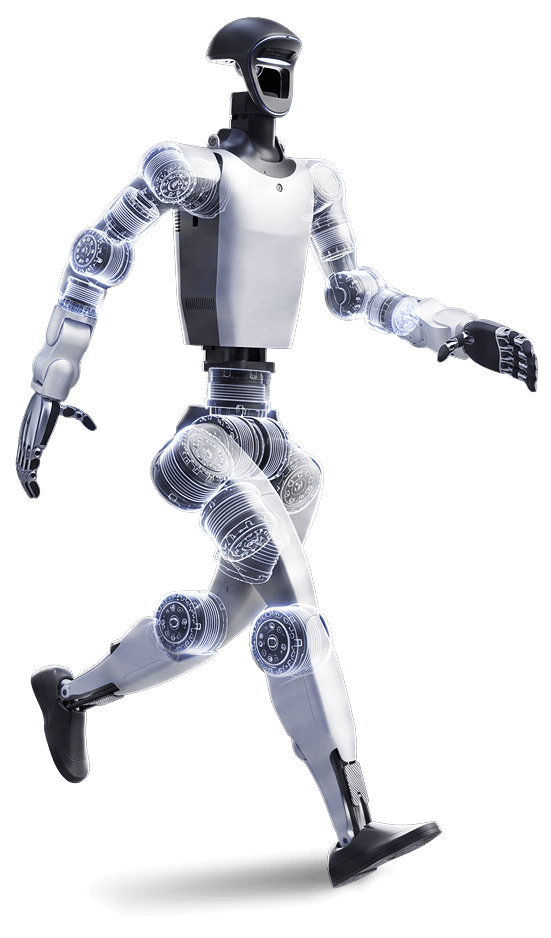
An upgrade to G1’s head and sensing: two head joints, stereo cameras, a chest-mounted wide-angle camera and 3D LiDAR. EDU supports development.
Technical DifferencesThe standard version has 25 degrees of freedom; EDU has 25–45. Includes six microphones, two 10 W speakers and support for external power.
Operating ConditionsHand types, wrists and higher-performance computing are EDU configuration options.
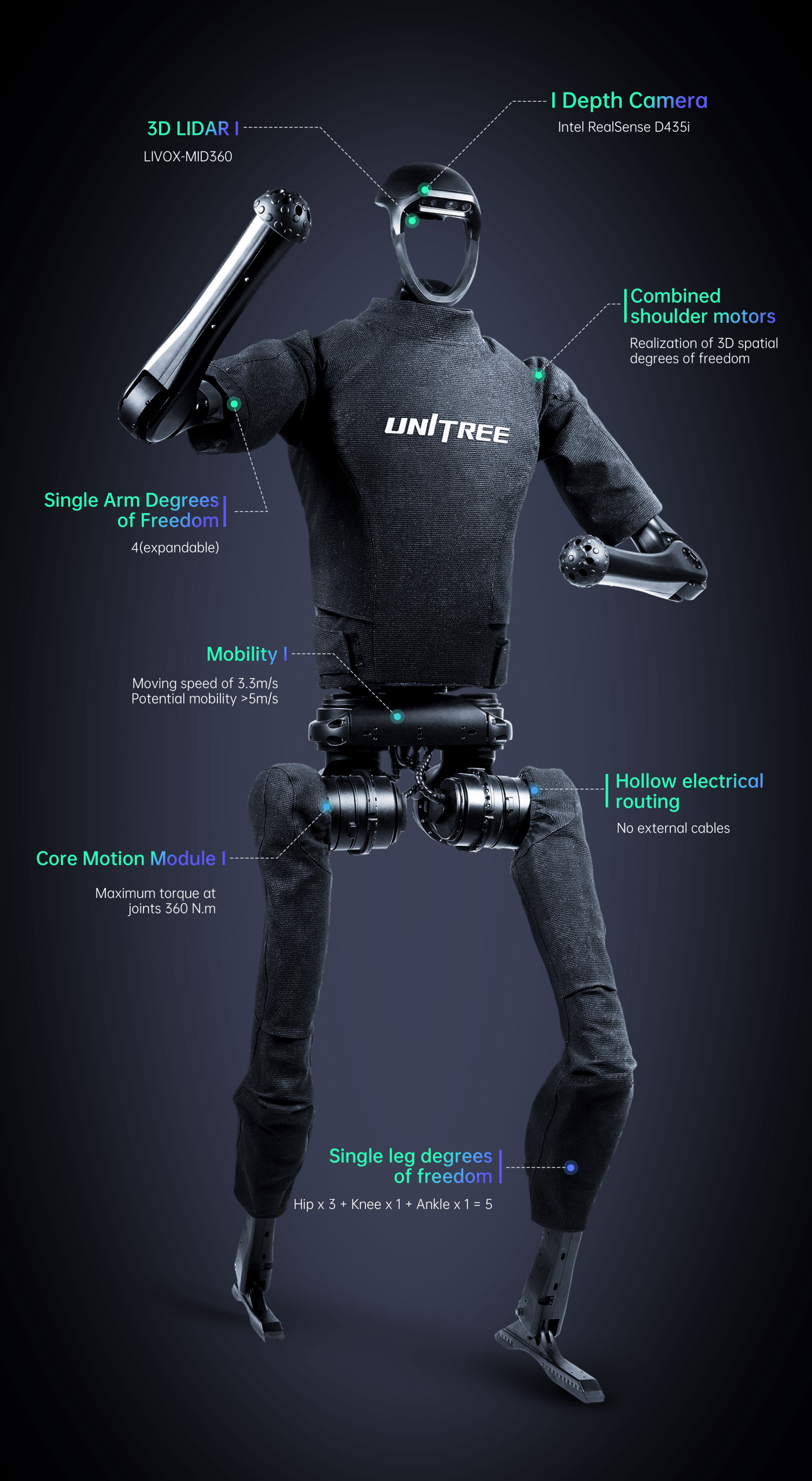
Full-size bipedal robots for gait, whole-body control and arm development. H1-2 has six joints per leg and seven per arm, compared with five and four on H1.
Technical DifferencesH1 weighs approximately 47 kg; H1-2 approximately 70 kg. H1-2 has a rated payload of 7 kg per arm, with 3D LiDAR and a depth camera.
Operating ConditionsDexterous hands are optional. H1-2’s 21 kg peak figure is not the continuous rated payload per arm.
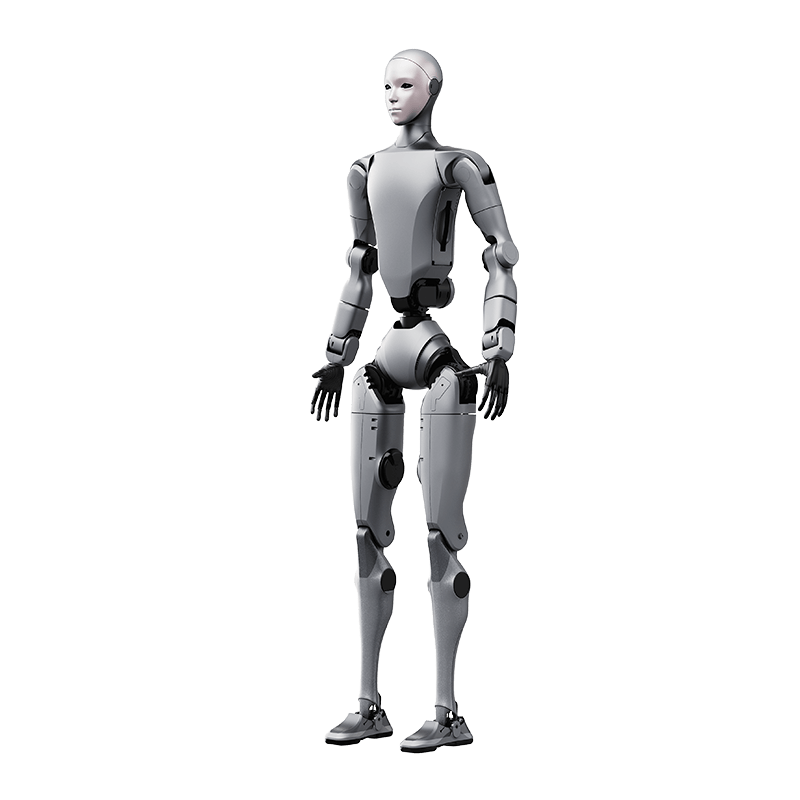
A full-size 1.82 m humanoid with 31 degrees of freedom, including three waist and two head joints. EDU adds an i7 development computer for whole-body control and dual-arm research.
Technical DifferencesAdds waist and head joints compared with H1-2. Rated payload is approximately 7 kg per arm; H2 EDU offers optional Thor computing modules.
Operating ConditionsThe standard version uses an i5 platform computer. The i7 development computer and higher-performance computing options belong to EDU configurations.
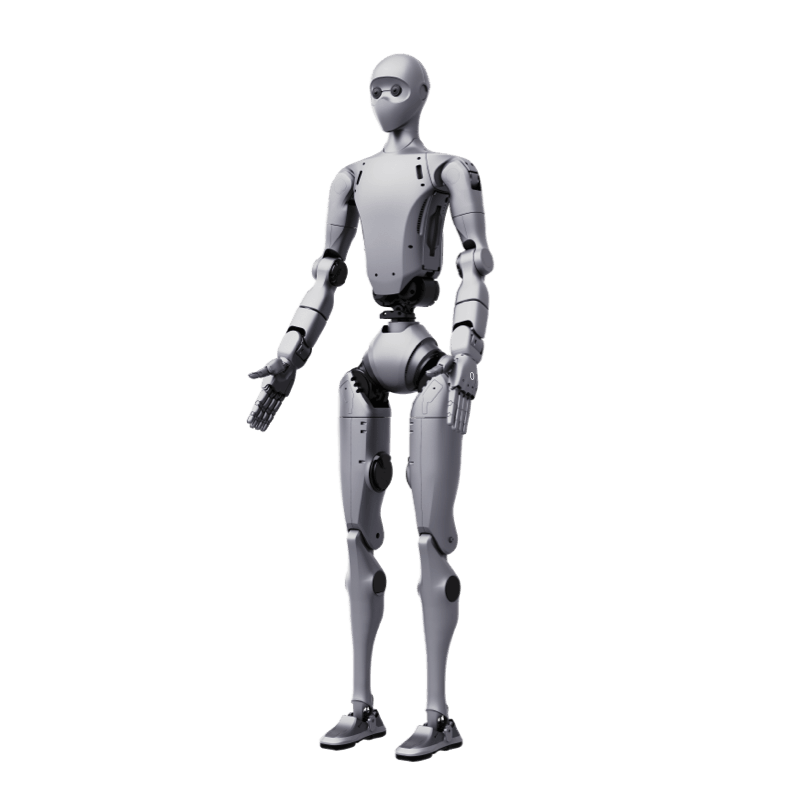
A humanoid research configuration integrating a Jetson T5000 with 128 GB memory, connecting data collection, model training, simulation and deployment.
Technical DifferencesSpecifies a T5000, while H2 EDU offers a choice of computing modules. Head-mounted stereo cameras support the development workflow.
Operating ConditionsSharpa Wave hands and wrist cameras are optional. The 2070 TFLOPS figure refers to sparse FP4 performance, not INT8 TOPS.
Ask About This Model
An approximately 15 kg quadruped with a wide-angle camera and LiDAR across the range. EDU adds a depth camera, foot force sensors and development support. PRO can be paired with block-based teaching.
Technical DifferencesAll versions use LiDAR, unlike Go1’s multi-stereo-camera approach. PRO serves block-based courses; EDU adds sensing and development features.
Operating ConditionsX lists only partial development support. EDU’s foot force sensors, depth camera and computing configurations do not apply to PRO.
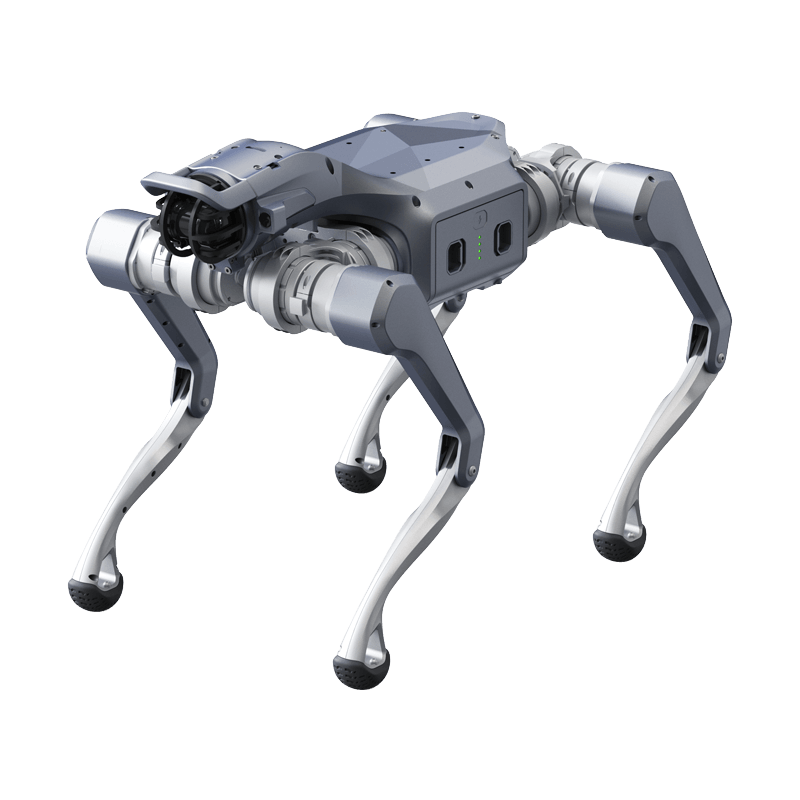
An approximately 20 kg quadruped, with a walking payload of approximately 10–15 kg. Industrial multi-line LiDAR starts with PRO; X and EDU support development.
Technical DifferencesWalking payloads for AIR, PRO, X and EDU are approximately 10, 13, 15 and 15 kg. Peak joint torques are 65, 75, 95 and 95 N·m respectively.
Operating ConditionsUnloaded runtime is approximately two hours for AIR and four hours from PRO upwards. Standing payload does not indicate walking payload.
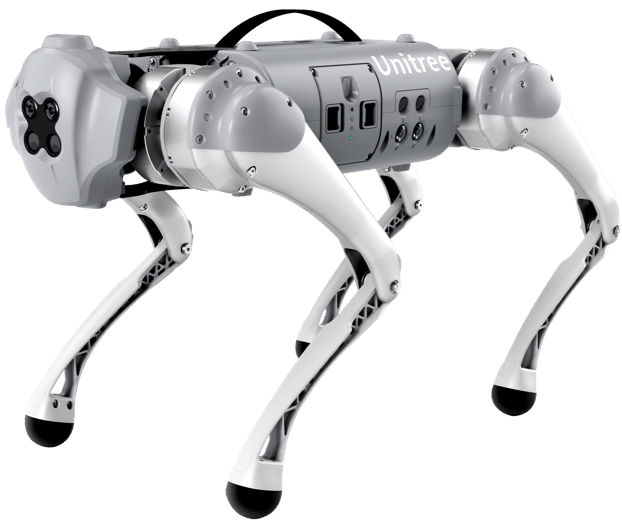
An approximately 12 kg previous-generation vision-based quadruped. PRO and EDU have five stereo-camera sets; EDU adds foot force sensors and scientific/Python interfaces.
Technical DifferencesAIR has one stereo-camera set; PRO and EDU have five. EDU’s foot force sensors and Python interface support research programming.
Operating ConditionsMulti-camera vision depends on lighting and surface texture. Wireless following may lose position when obstructed.
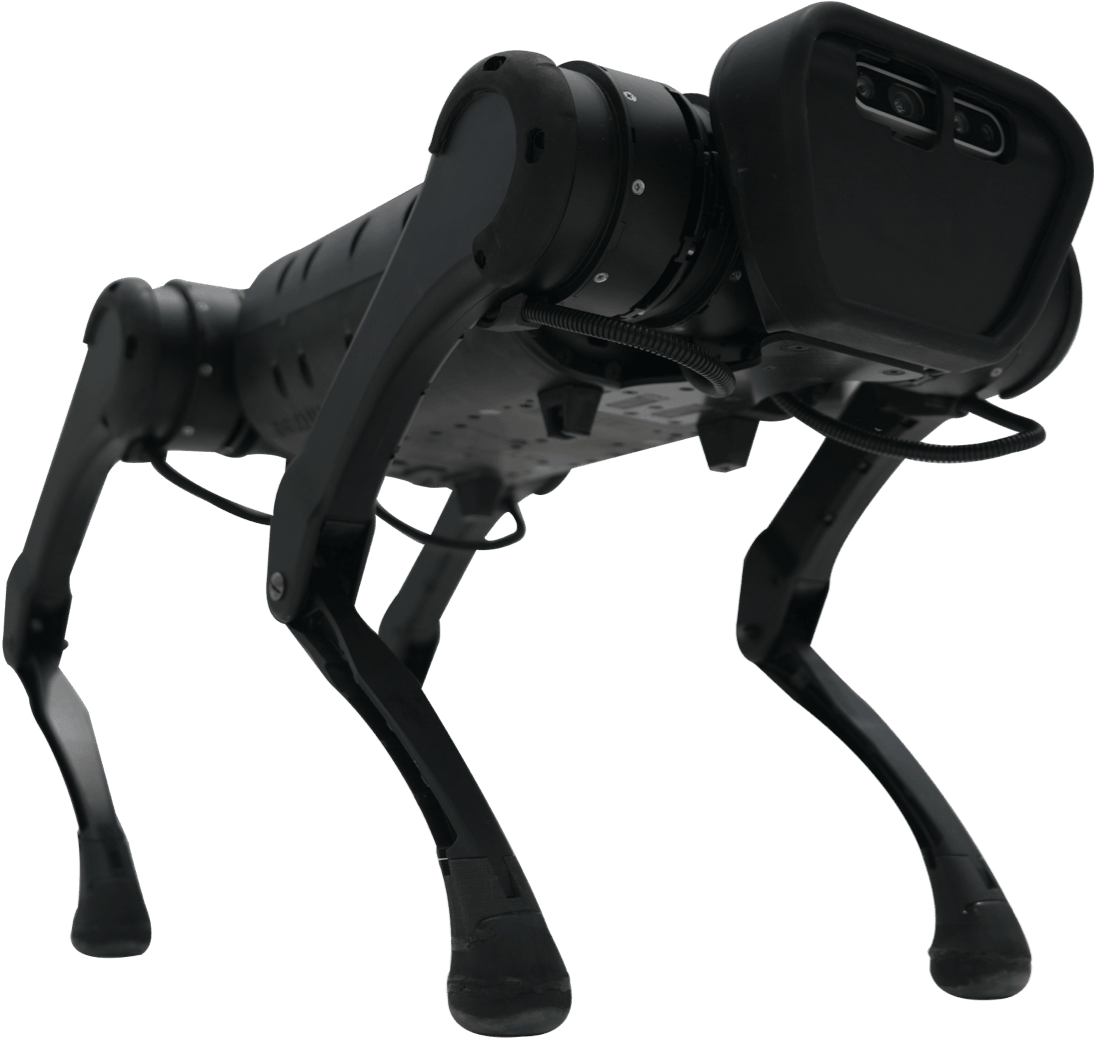
A compact research quadruped. The standard version includes a depth camera, foot force sensors and high-/low-level APIs; the Explorer version adds LiDAR and AI computing.
Technical DifferencesHigh- and low-level real-time APIs are included in the standard version, alongside four foot force sensors, dual Ethernet, four USB ports and dual HDMI.
Operating ConditionsVoice, microphone, wide-angle camera and ultrasonic modules are optional extras.
An approximately 42 kg industrial quadruped with a continuous walking payload of approximately 25 kg. Dual batteries allow hot-swapping; PRO adds a second LiDAR.
Technical DifferencesHeavier than As2, with a higher walking payload. Includes an i7 development computer and two battery slots, each with a 453.6 Wh battery.
Operating ConditionsThe standard version is rated IP56. PRO’s IP67 rating applies to core components, not every part of the robot.
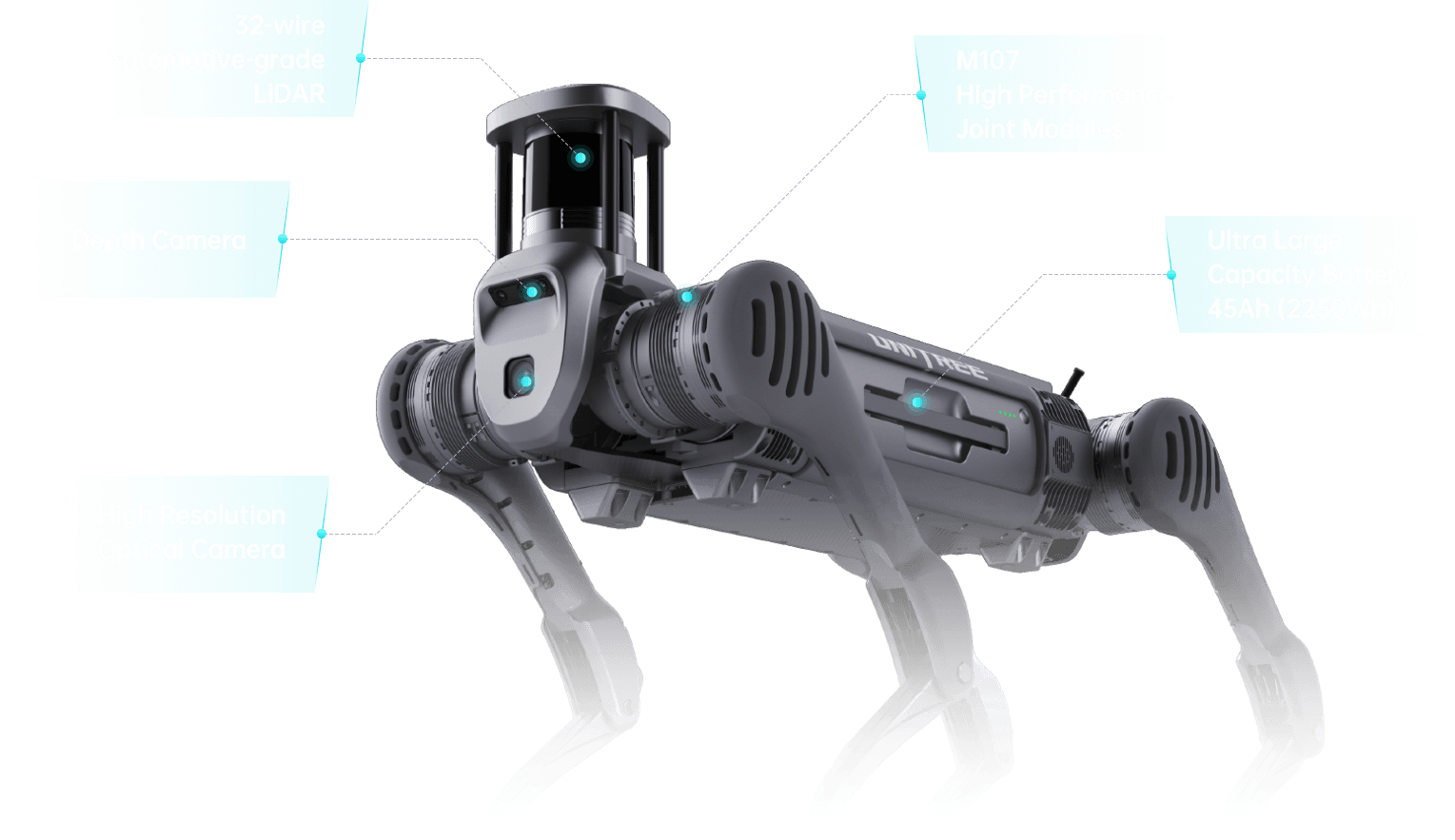
An approximately 60 kg, IP67 heavy-duty quadruped with a walking payload above 40 kg and a 2250 Wh battery, for extended outdoor mobility and payload integration.
Technical DifferencesRaises walking payload from A2’s approximately 25 kg to over 40 kg. Reference runtime exceeds four hours with a 20 kg load and five hours unloaded.
Operating ConditionsAutonomous charging is optional. Speeds above 6 m/s require a special configuration; normal operation is speed-limited.
Ask About This Model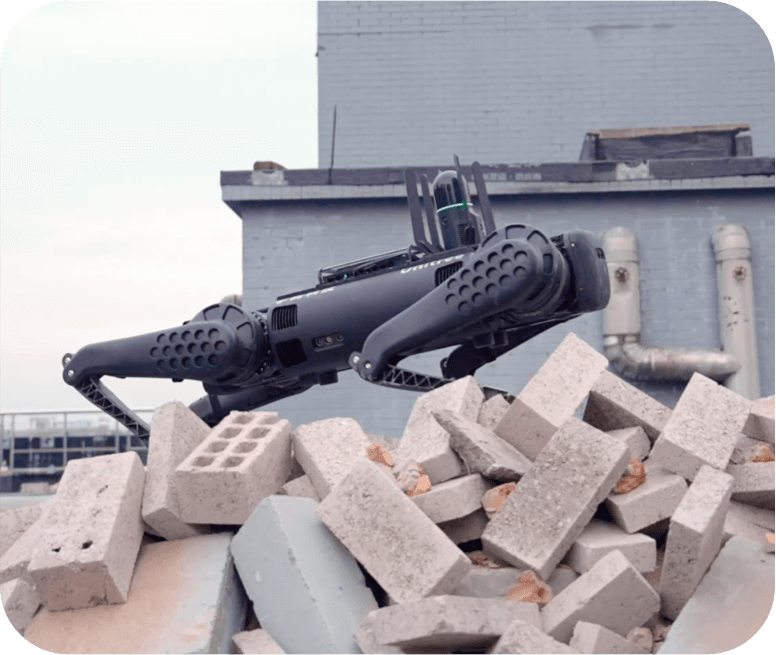
An approximately 50 kg, IP68 industrial quadruped with a 20 kg walking payload. Five depth cameras and Ethernet, USB, CAN and RS485 interfaces support system integration.
Technical DifferencesLower walking payload than B2, with a stated IP68 rating. Listed interfaces include seven Gigabit Ethernet, four RS485, five USB and four CAN connections.
Operating ConditionsReference runtime is two hours walking unloaded or five hours standing. The 20 kg walking payload and 80 kg standing payload are separate limits.
Ask About This Model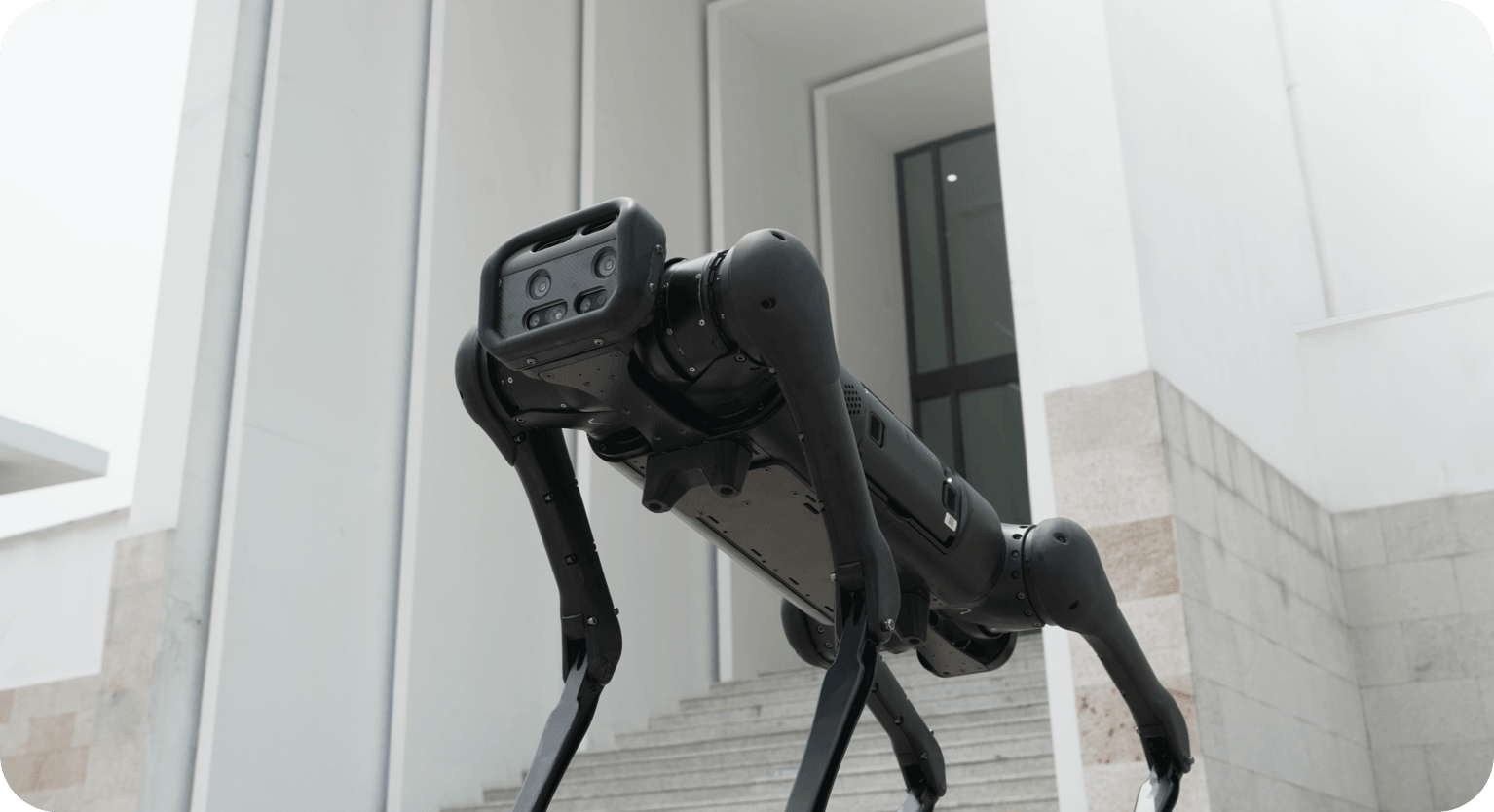
A research quadruped with open high- and low-level control for reading sensors and controlling individual motors or legs. Includes two depth cameras, an odometry camera and foot force sensors.
Technical DifferencesSupports C/C++ and ROS, with a listed payload of 13 kg. Lighter than B1/B2, with an emphasis on sensing and joint control.
Operating ConditionsThe 21.5 ± 1 kg weight excludes the battery. LiDAR is optional.
Ask About This Model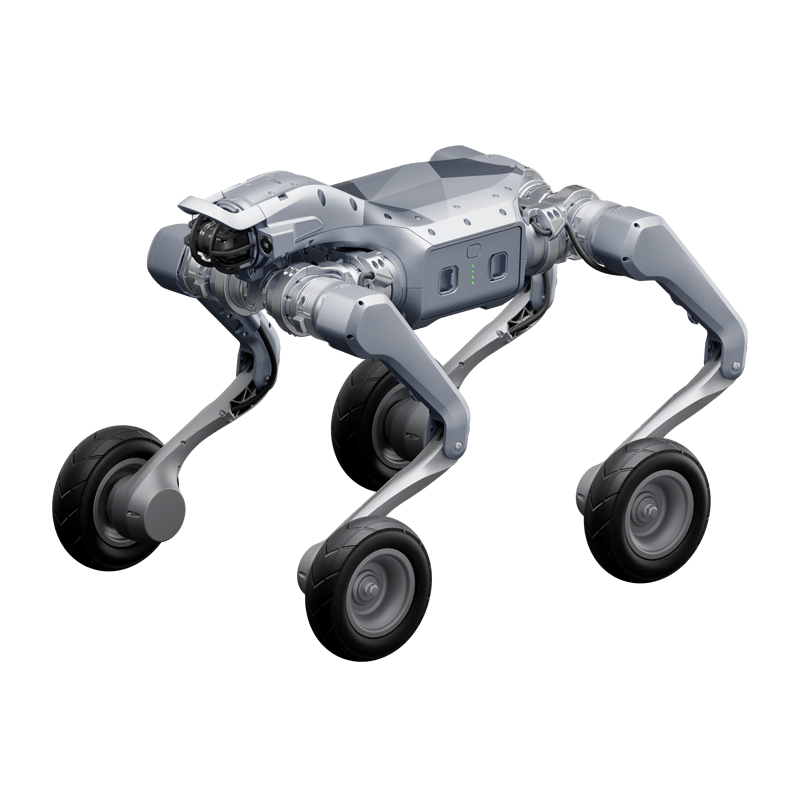
An approximately 25 kg wheeled-leg robot with 16 motors and a walking payload of approximately 16 kg. X and EDU support development combining wheel drive and legged motion.
Technical DifferencesAdds wheel drive to the legged As2 platform, with 7-inch tires, industrial 64–128-line LiDAR and ISS 3.0.
Operating ConditionsReference continuous-step capability is 30 cm. The 150 kg standing payload is separate from the approximately 16 kg walking payload.
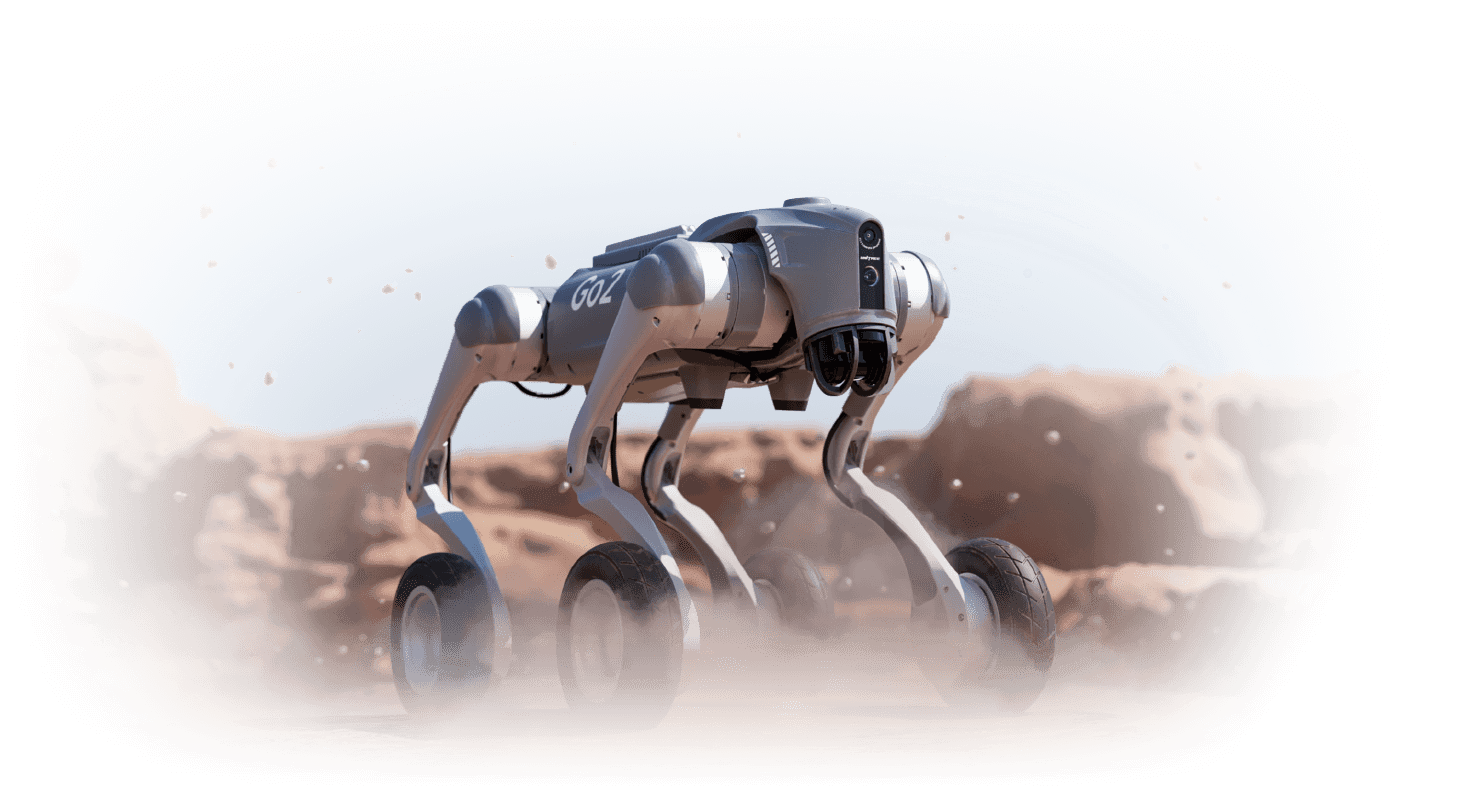
An approximately 18 kg wheeled-leg development robot with 16 motors and 7-inch tires. Includes LiDAR, a wide-angle camera, a 15000 mAh battery and custom development support.
Technical DifferencesAdds wheel drive compared with Go2, with explicitly listed development support, a handheld controller and fast charging.
Operating ConditionsComputing modules such as Orin are optional expansions.
Ask About This Model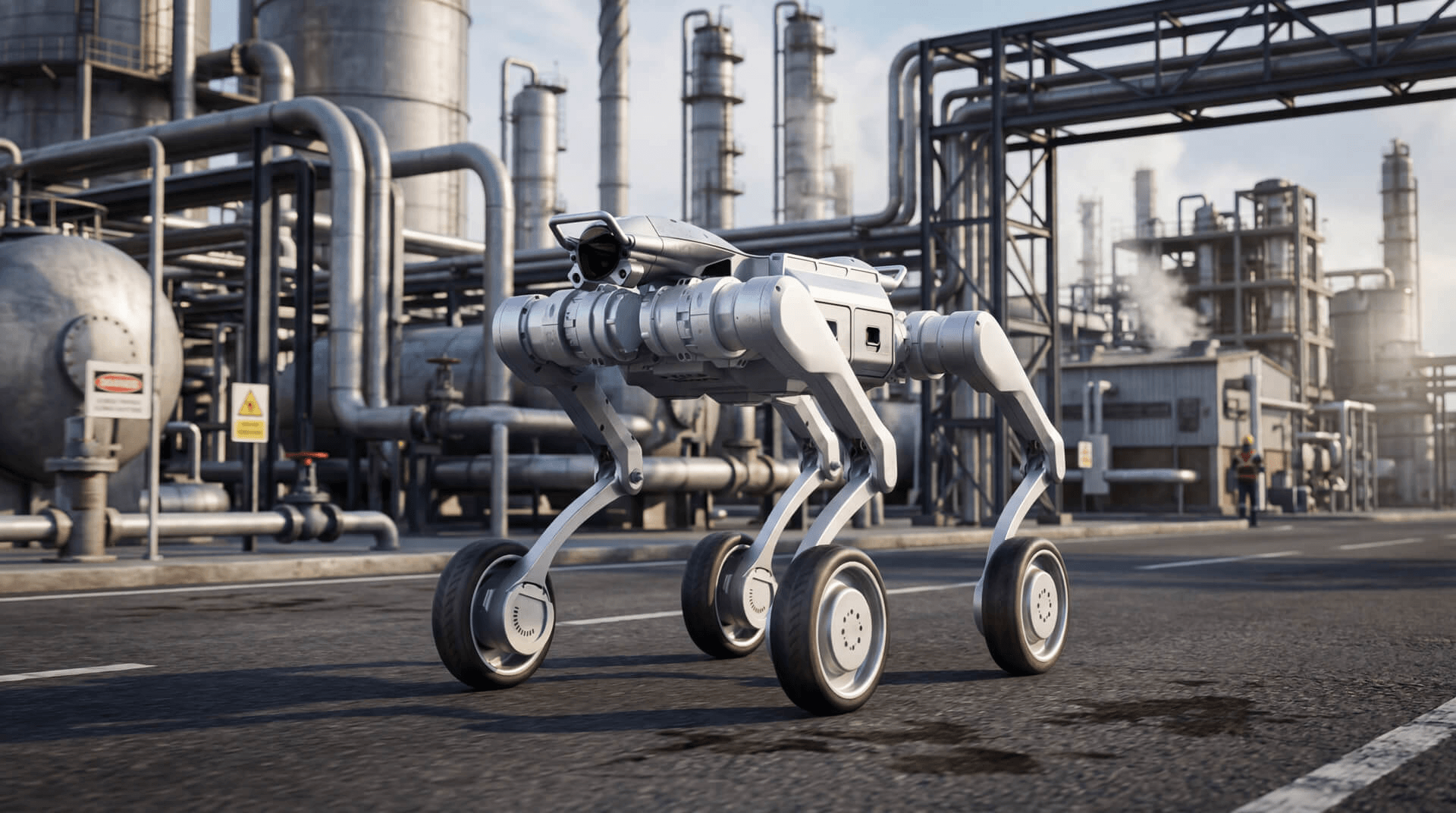
An approximately 52 kg industrial wheeled-leg robot with a walking payload of approximately 25 kg and 190 mm tires. Adds wheel drive to A2 for longer journeys on suitable level surfaces.
Technical DifferencesApproximately 10 kg heavier than A2. Reference walking runtime exceeds 3.5 hours unloaded or 1.5 hours with 25 kg. PRO adds a second LiDAR.
Operating ConditionsRuntime figures are measured under laboratory conditions. PRO’s IP67 core-component rating does not apply to every part of the robot.
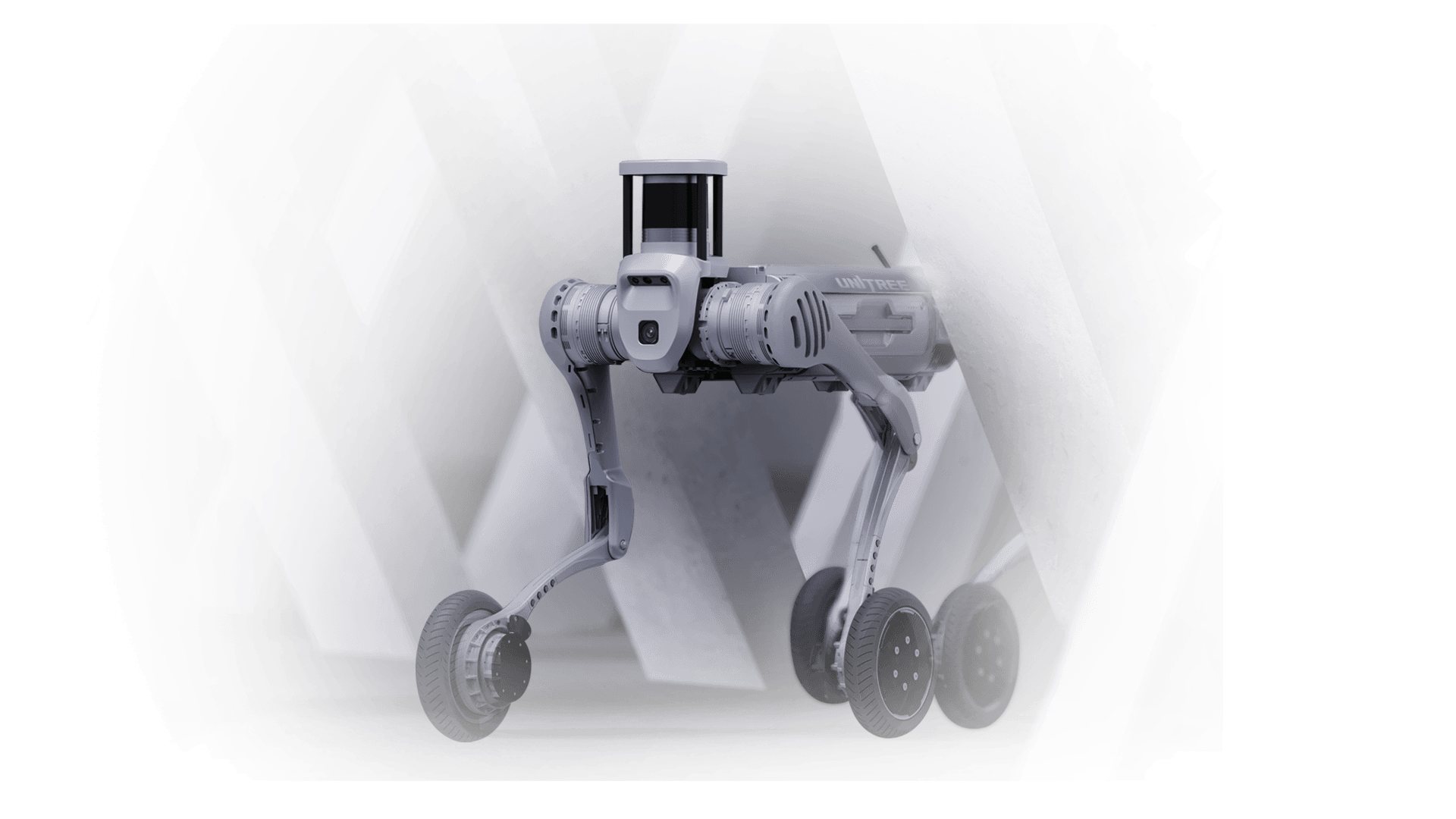
An approximately 85 kg, IP67 heavy-duty wheeled-leg robot with 225 mm tires and a walking payload above 40 kg. Additional computing modules can complement the i7 development computer.
Technical DifferencesApproximately 25 kg heavier than B2. Wheel drive supports longer journeys on suitable surfaces; battery capacity exceeds 2 kWh.
Operating ConditionsThe 15 km/h speed and 25 km range with a 40 kg load refer to special configurations, not fixed performance across all versions.
Ask About This ModelEquipment combinations for specific applications, compared separately from general-purpose robots.
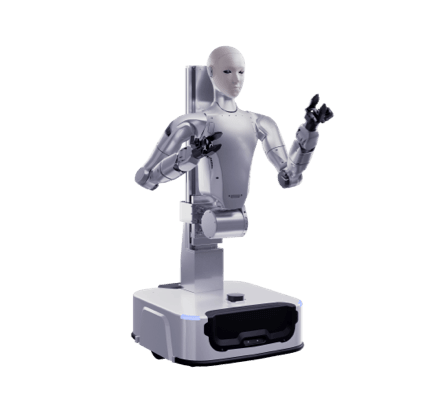
An H2 dual-arm manipulation robot with seven axes per arm and a rated payload of 7 kg per arm. Fixed, manually movable and powered wheeled configurations support manipulation research.
Technical DifferencesH2-A is fixed; H2-D Standard is moved manually; Flagship has a powered base. Flagship offers speeds up to 1.5 m/s and a 0.46 m lift.
Operating ConditionsEnd-effectors and dexterous hands are optional. The fixed and manually movable versions do not have Flagship’s powered base.
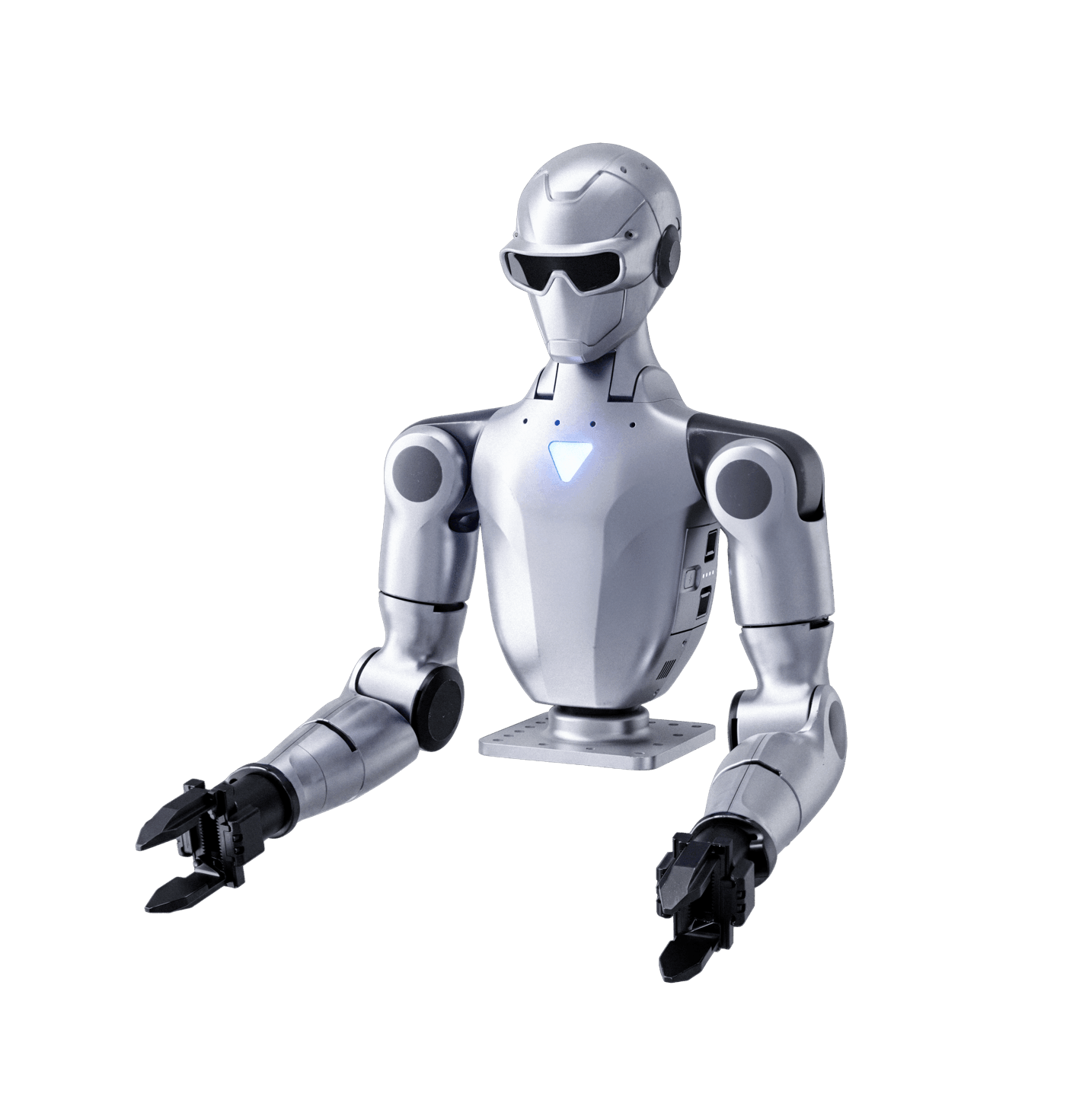
R1 dual-arm robots for manipulation and data collection: A5/A7 use fixed bases; A5-D/A7-D add mobile bases. Each arm has five or seven degrees of freedom.
Technical DifferencesAll four support development. The stereo module lists RGB and depth-image interfaces; mobile versions add base-mounted LiDAR.
Operating ConditionsHands, wrist cameras and additional computing are optional. Arm payload varies from 2–4 kg with extension and pose.
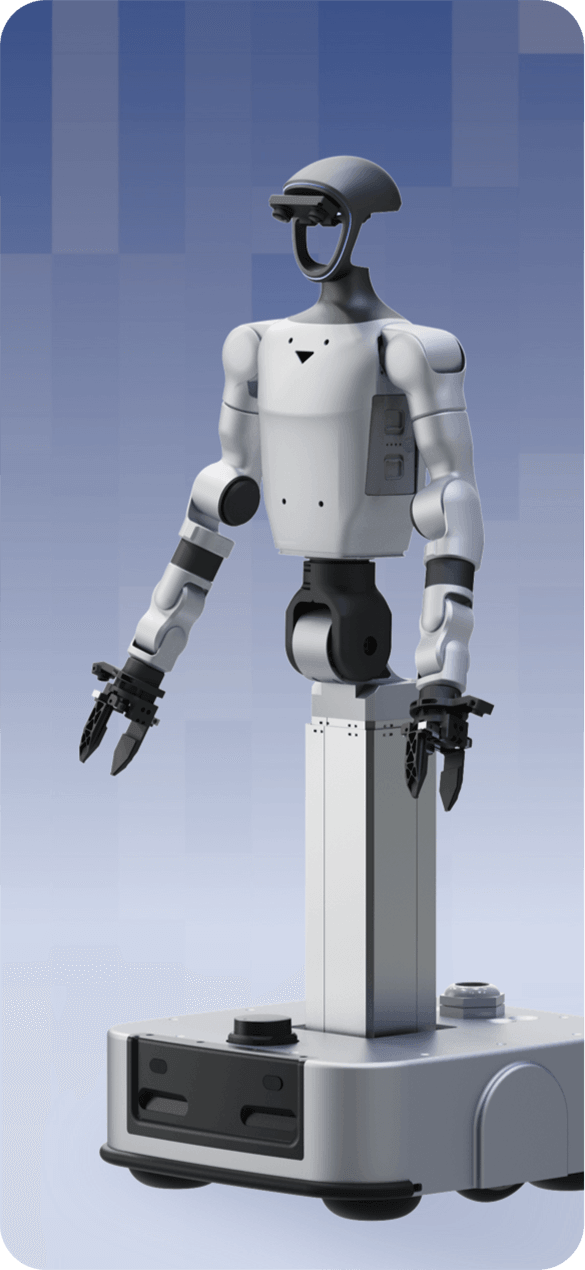
A height-adjustable manipulation robot with seven axes per arm for data collection and model deployment. Standard is a workstation; Ultimate adds a differential-drive base and mobility sensors.
Technical DifferencesHead-mounted stereo and dual wrist cameras support manipulation data collection. Standard has 17 degrees of freedom; Ultimate has 19, excluding end-effectors.
Operating ConditionsOnly Ultimate has the differential-drive base with speeds up to 1.5 m/s. Hands and additional computing are optional.
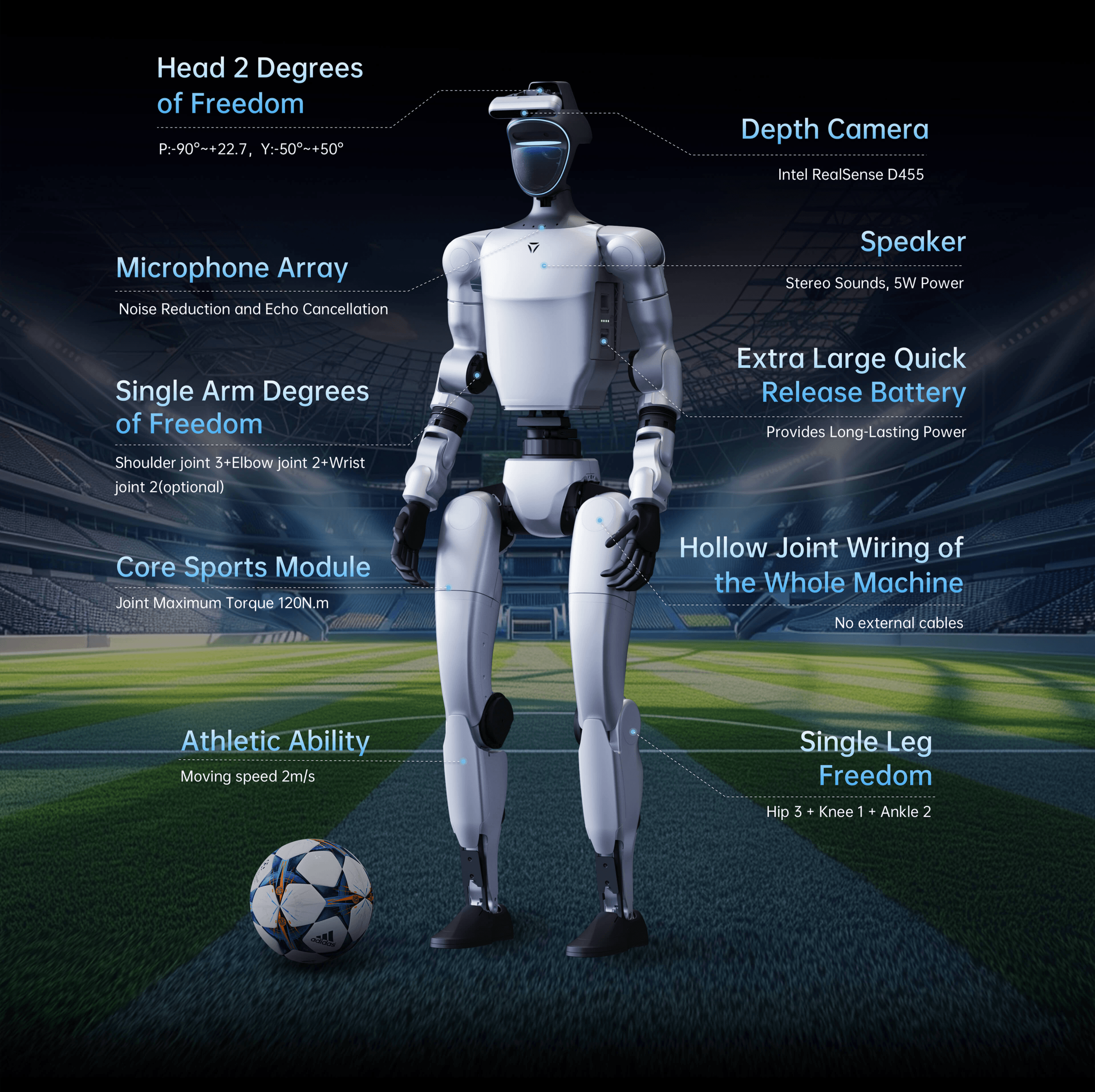
A G1 robot-football research configuration with field localization, visual recognition and motion APIs, plus MuJoCo and Isaac Gym training tools.
Technical DifferencesIncludes an Orin NX rated at 100 TOPS, high-/low-level control, DDS, and Sim2Sim/Sim2Real training workflows.
Operating Conditions25–45 degrees of freedom depend on options such as hands. Football strategies and movements require training and development.
Ask About This Model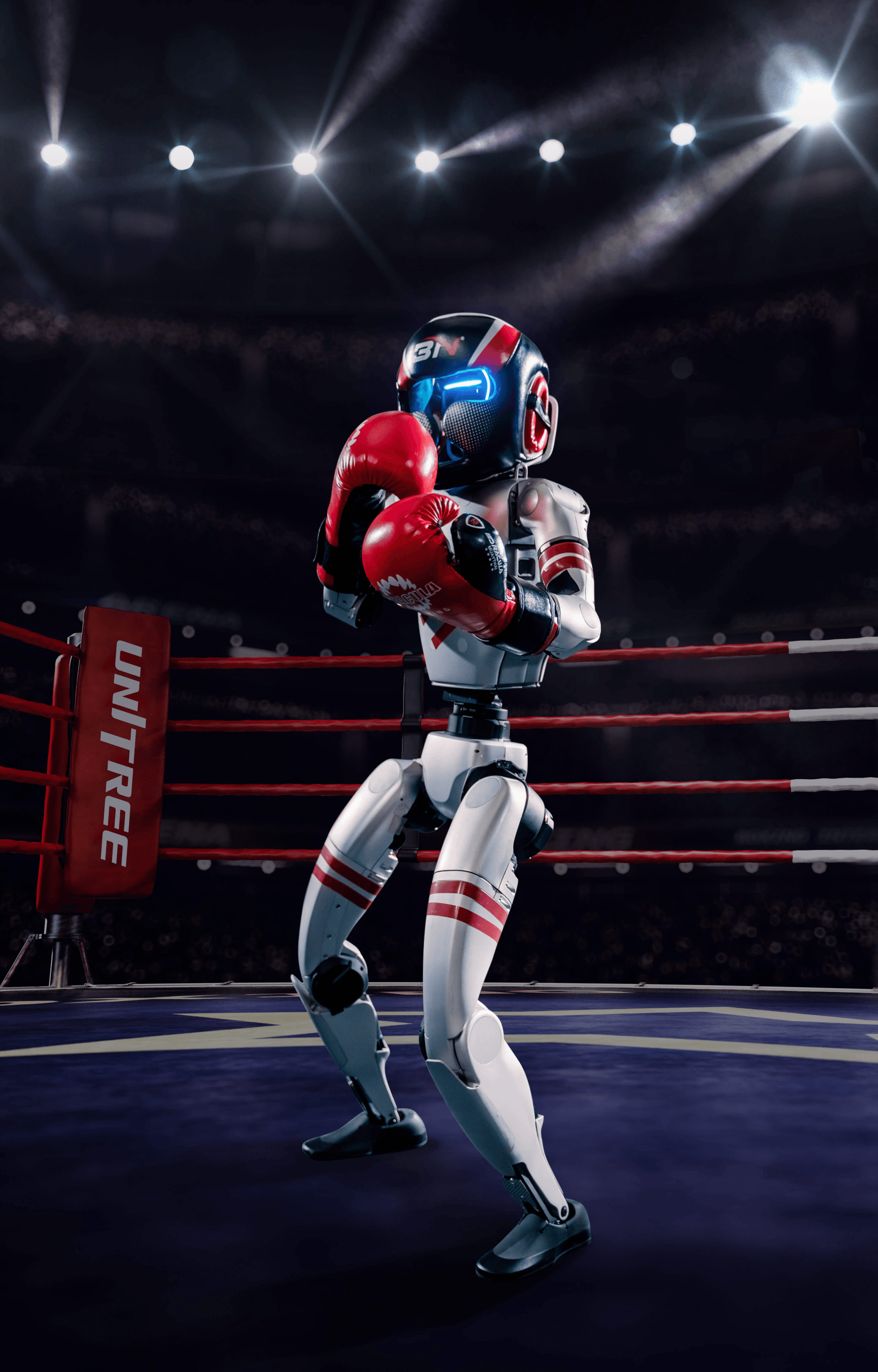
A G1 application demonstration combining motion-capture training and boxing movements, including straight punches, hooks and kicks, with body-motion and controller operation.
Choose an accessory category, then tell us your robot’s model and version so we can confirm compatible options.
Robotic arms, hands, sensors and drive components for experimental system integration.
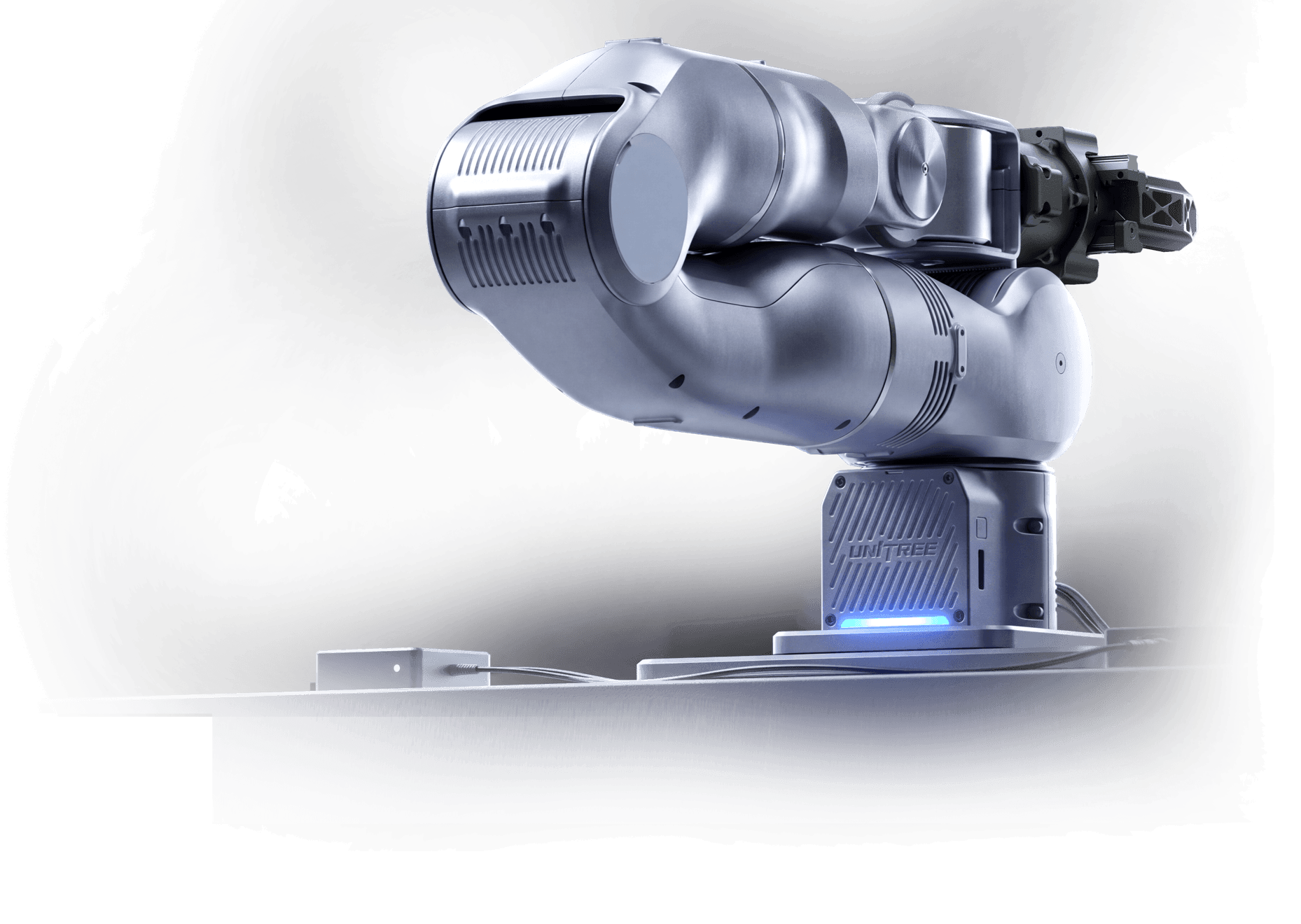
An all-metal seven-axis arm with a gripper, a listed 3 kg payload and 780 mm working radius with the gripper. Supports SDK control, hand-guided teaching and offline trajectories, with A2/As2 mounting options.
Technical DifferencesOne more axis than the six-axis Z1. Supports hand-guided teaching, SDK and offline trajectories, with 500 Hz UDP/serial control.
Operating ConditionsThe As2 mounting option supports one arm. High-speed movement should be avoided with the A2 dual-arm configuration.
Ask About This Model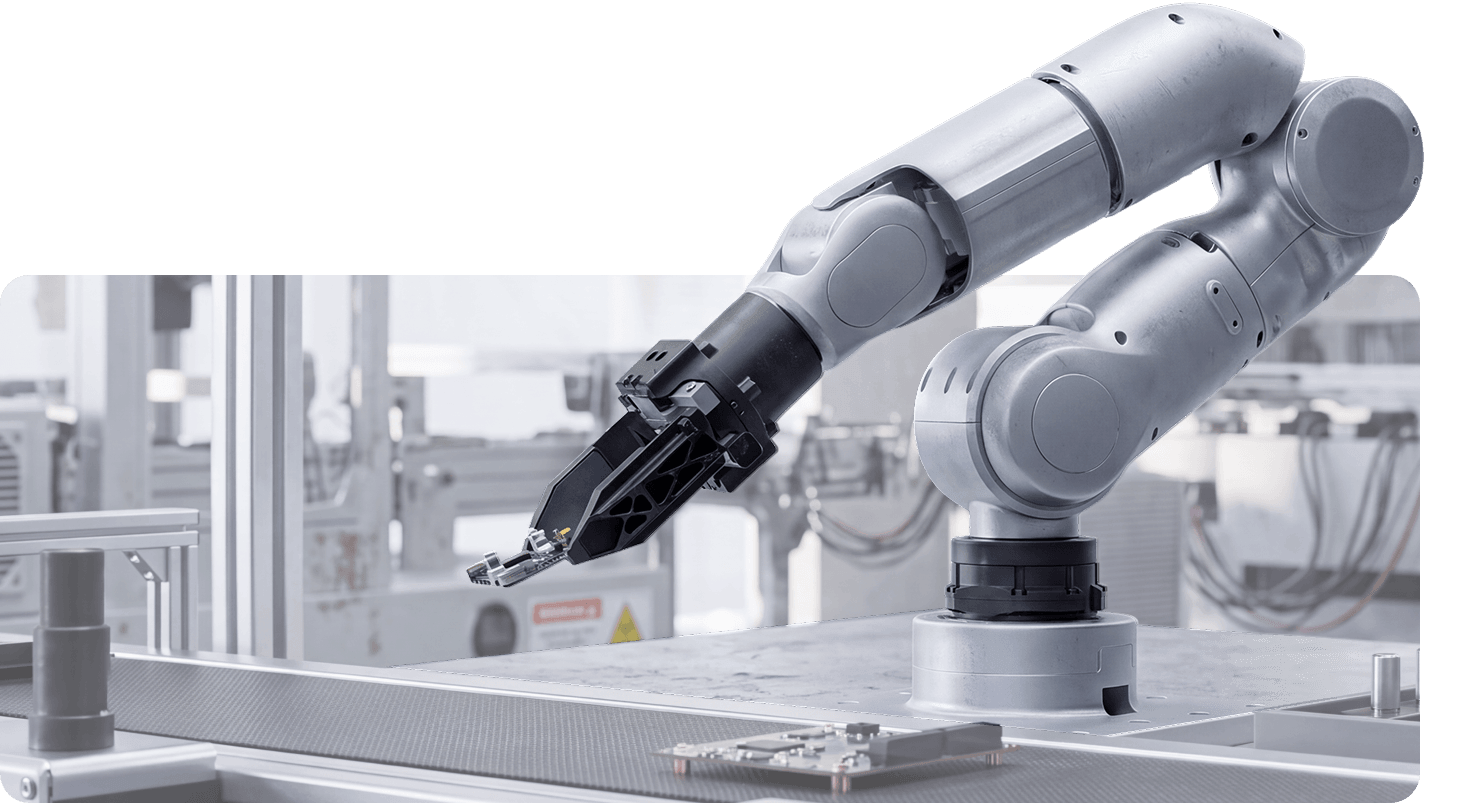
A desktop seven-axis biomimetic arm with a 2 kg payload and 650 mm reach including the hand. Force feedback and collision detection support force-control, path-planning and teaching exercises.
Technical DifferencesApproximately 5.5 kg with seven axes. One more axis than Z1, with a lower payload than D2’s listed 3 kg.
Operating ConditionsManufacturer software and interfaces are being progressively open-sourced. Low positional stiffness from the low gear ratio must be considered in control design.
Ask About This Model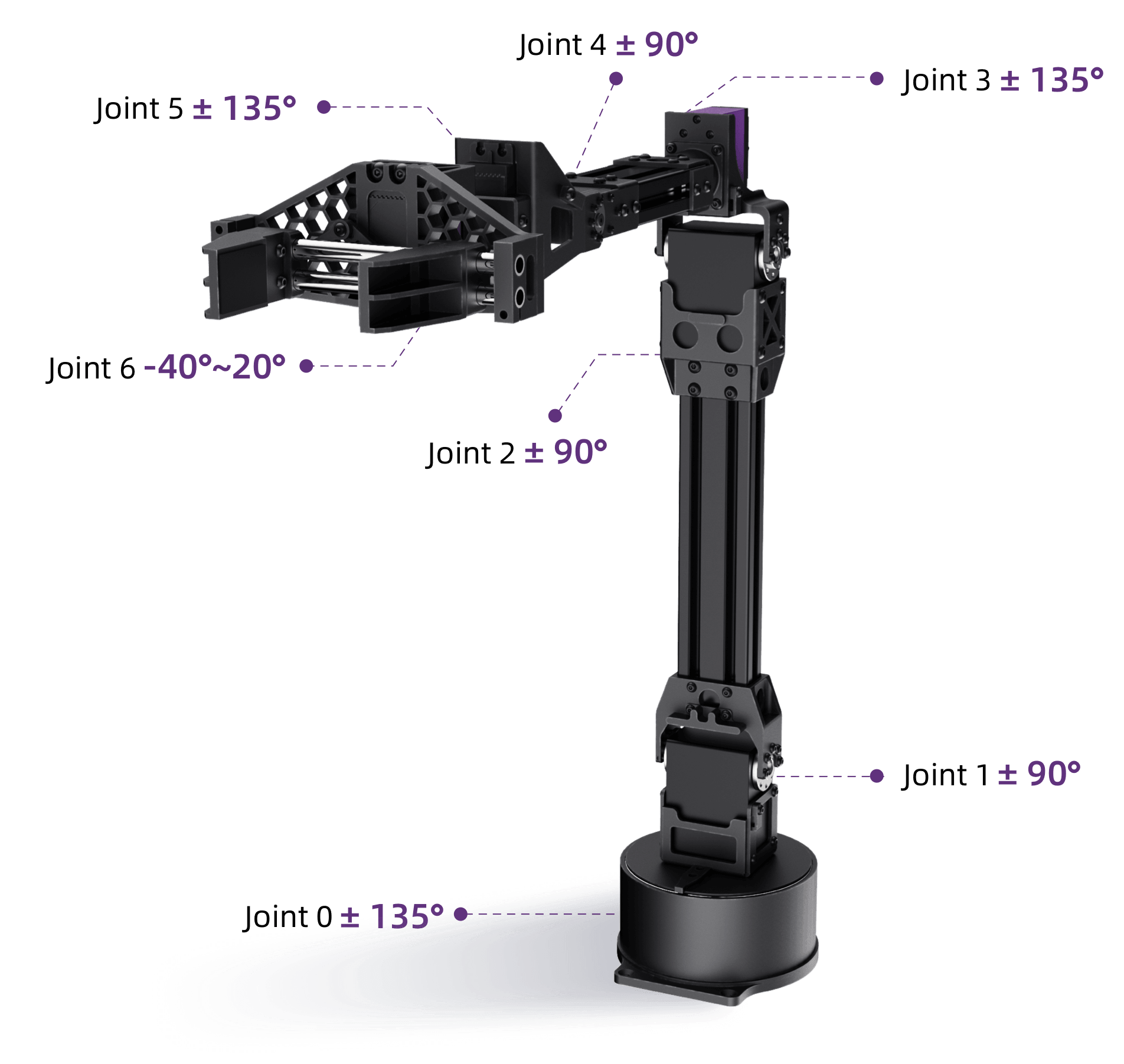
A teleoperation kit for manipulation data collection, available as dual- or four-arm systems. Each arm has six axes plus a gripper and a 500 g payload, serving different tasks from the higher-payload D2/Z1.
Technical DifferencesDesigned primarily for master–slave teleoperation and data collection. Each arm weighs approximately 2.37 kg; dual-/four-arm descriptions refer to complete systems.
Operating Conditions500 g 為單臂負載;含夾爪伸展 670 mm,外接相機與移動底盤屬擴展。
Ask About This Model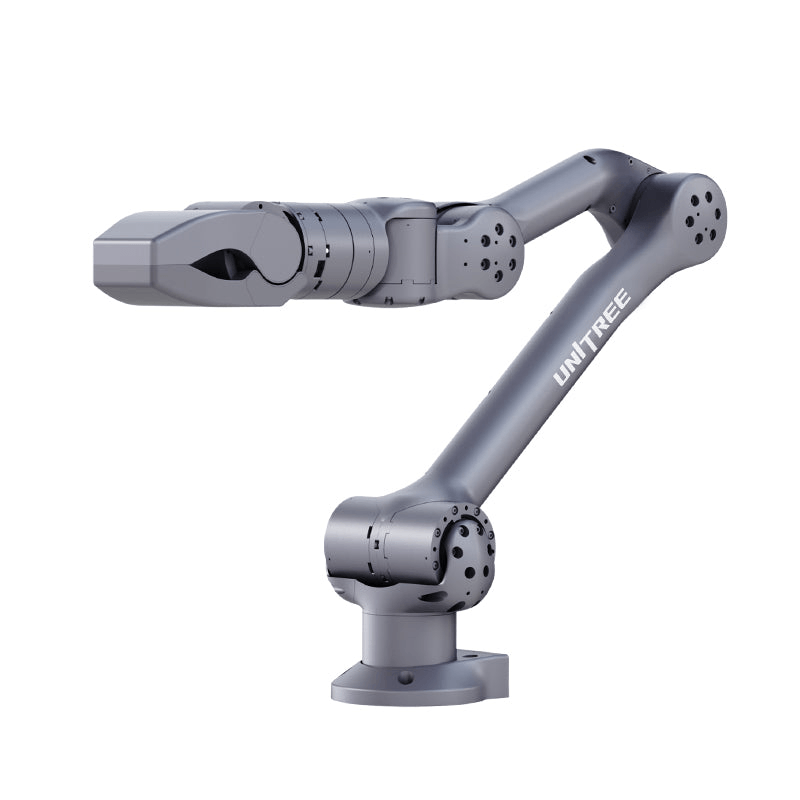
A six-axis force-controlled arm with a 740 mm reach. AIR supports 2 kg; PRO supports at least 3 kg. Force feedback and collision detection support mobile-robot pick-and-place experiments.
Technical DifferencesAIR weighs 4.3 kg; PRO 4.5 kg. Payload is the main version difference; both have six axes and position/force control.
Operating ConditionsUnoptimized control can cause position error and vibration. Approximately 0.1 mm repeatability is a manufacturer test reference.
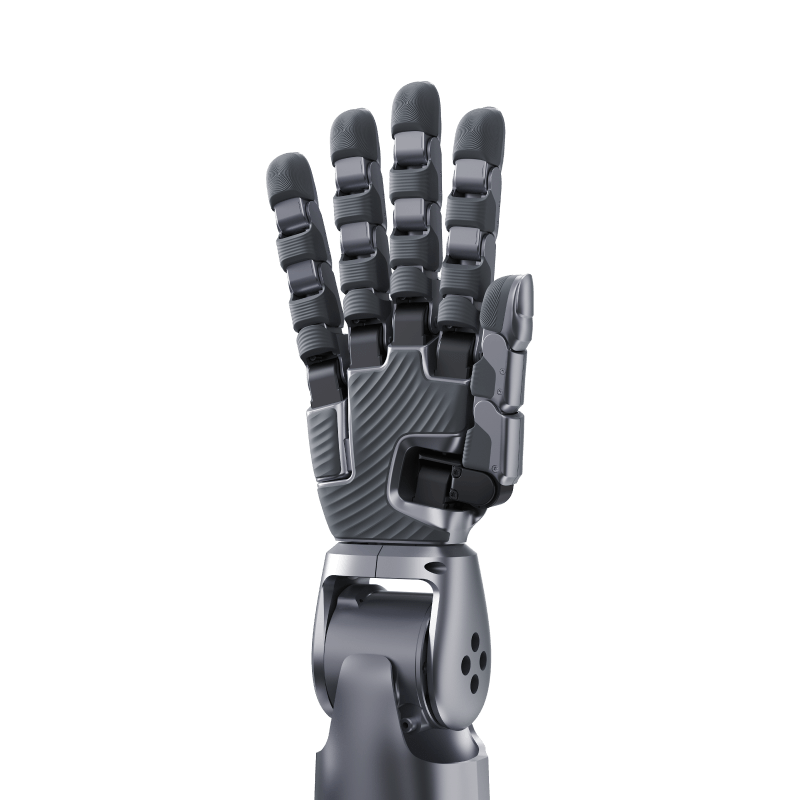
A five-finger hand with 22 independently driven degrees of freedom, weighing 620 g. Lighter than Dex5-1, with more active control dimensions. Tactile sensing requires Pro.
Technical DifferencesIncreases independently driven joints from Dex5-1’s 16 to 22, while reducing weight from 1100 g to 620 g.
Operating ConditionsEthernet/USB control runs at 1000 Hz; RS485 at 50 Hz. Continuous payload is 1 kg per hand, with a 2 kg peak.
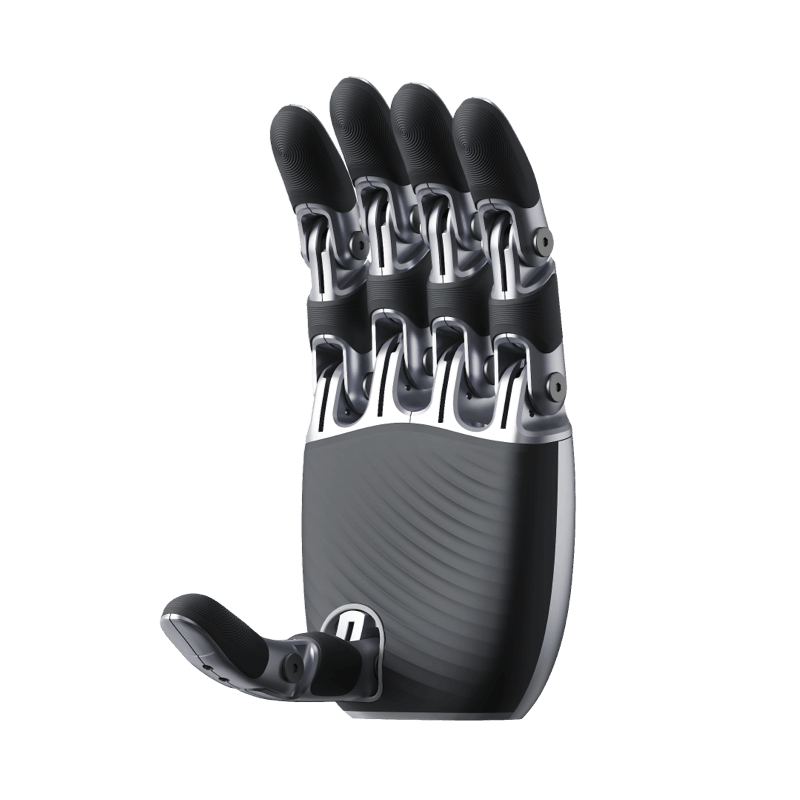
A five-finger tendon-driven hand with ten mechanical degrees of freedom controlled by two actuators. Designed for lightweight whole-hand grasping; four fingers share one actuator and cannot be controlled independently.
Technical Differences365 g with RS485. The thumb has its own actuator; the other four fingers share another. Fewer independent control dimensions than Dex3-1.
Operating ConditionsThe four fingers cannot be controlled independently. The 1.5 kg gripping figure comes from tests in a specified pose with rigid objects.
Ask About This Model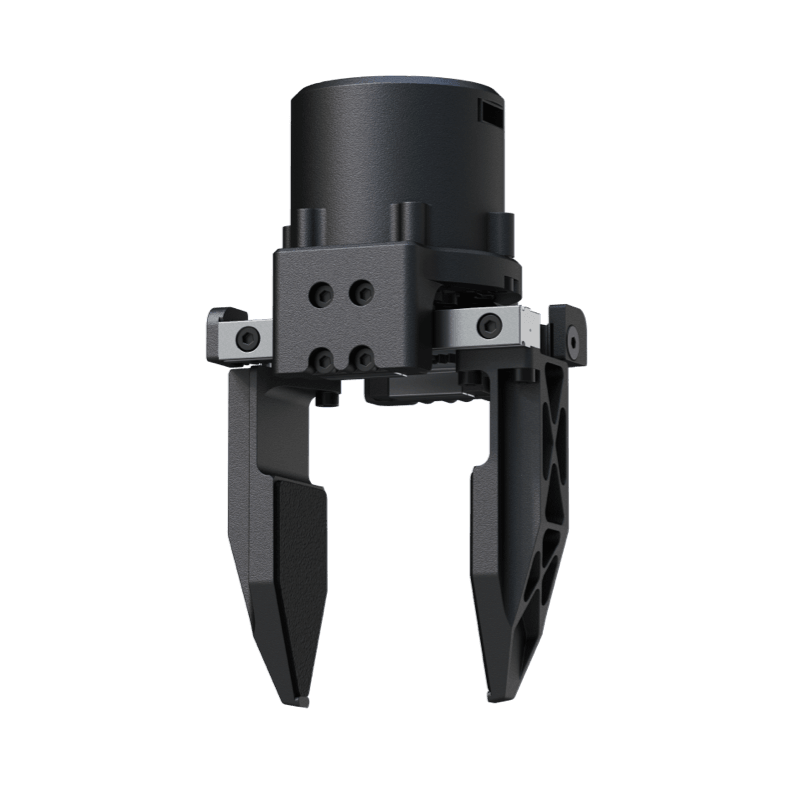
A two-finger electric gripper with 90 mm travel and adjustable gripping force of 5–120 N, for pick-and-place and two-finger grasping. A camera-equipped version is also available.
Technical DifferencesA two-finger gripper for grasping rather than multi-finger poses. The manufacturer lists G1, H2, R1 and standalone use.
Operating ConditionsVertical friction-grip testing is rated at 5 kg. The 20 kg horizontal form-fit test result is not a general payload rating.
Ask About This Model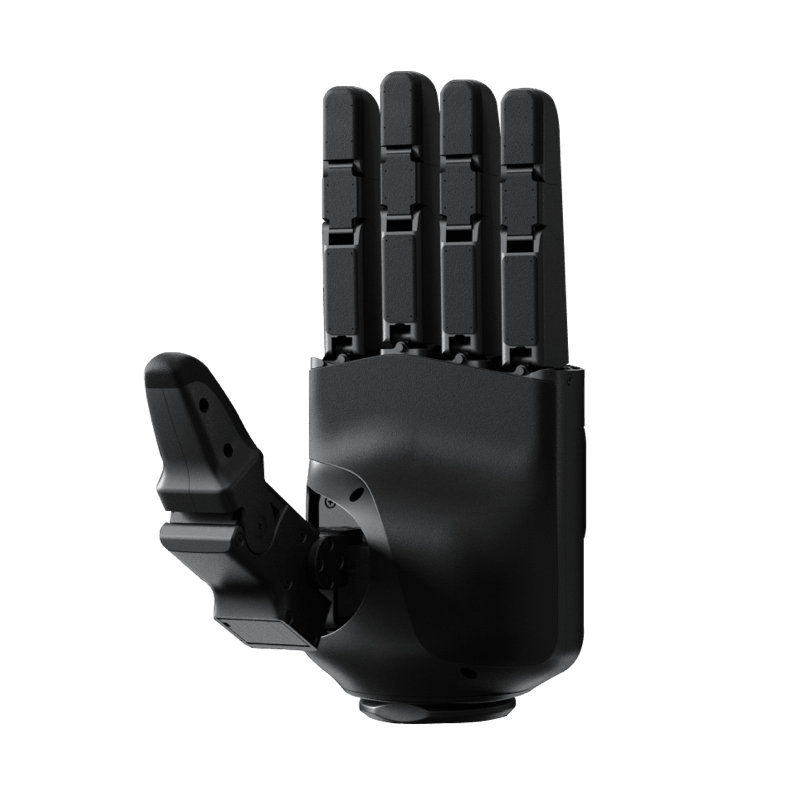
A five-finger hand with 20 mechanical degrees of freedom: 16 active and four coupled. Tactile research requires the Dex5-1P configuration with 94 pressure-sensing points.
Technical Differences1100 g per hand with USB 2.0. Dex5-1P differs from the standard version by adding 94 pressure-sensing points.
Operating ConditionsGripping capacity varies with palm orientation and object shape. Mechanical degrees of freedom are not all independently actuated.
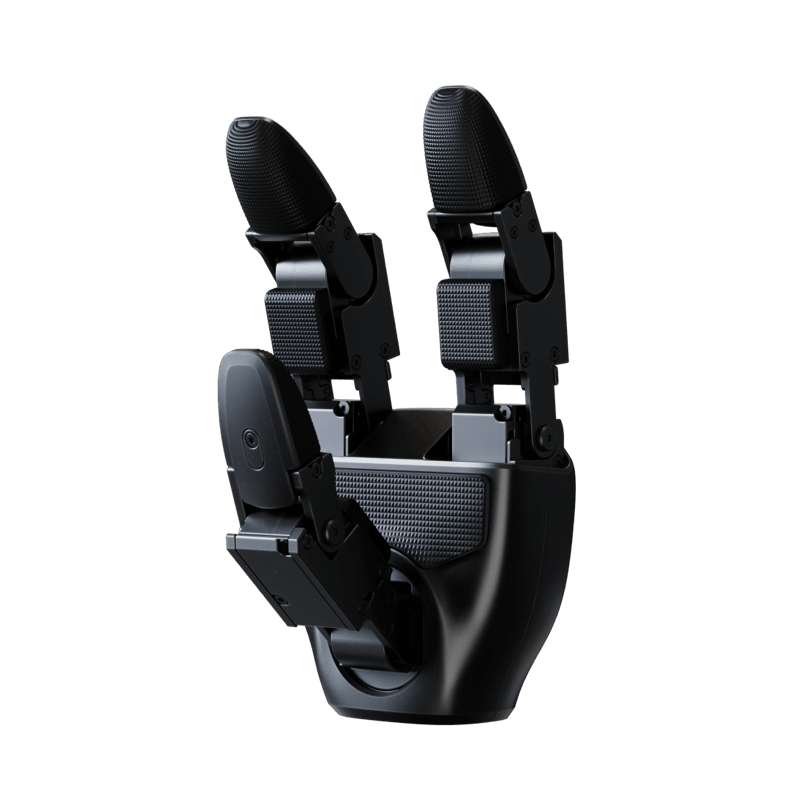
A three-finger force-controlled hand with seven active degrees of freedom and 1000 Hz USB communication, for joint control and grasping. The tactile configuration lists 33 pressure-sensing points.
Technical DifferencesIts seven active joints provide more independent control than Dex2/5. Hands and tactile arrays are optional on a complete G1 robot.
Operating ConditionsGrasping tests specify up to 500 g. Sensor pressure tolerance does not indicate hand payload.
Ask About This Model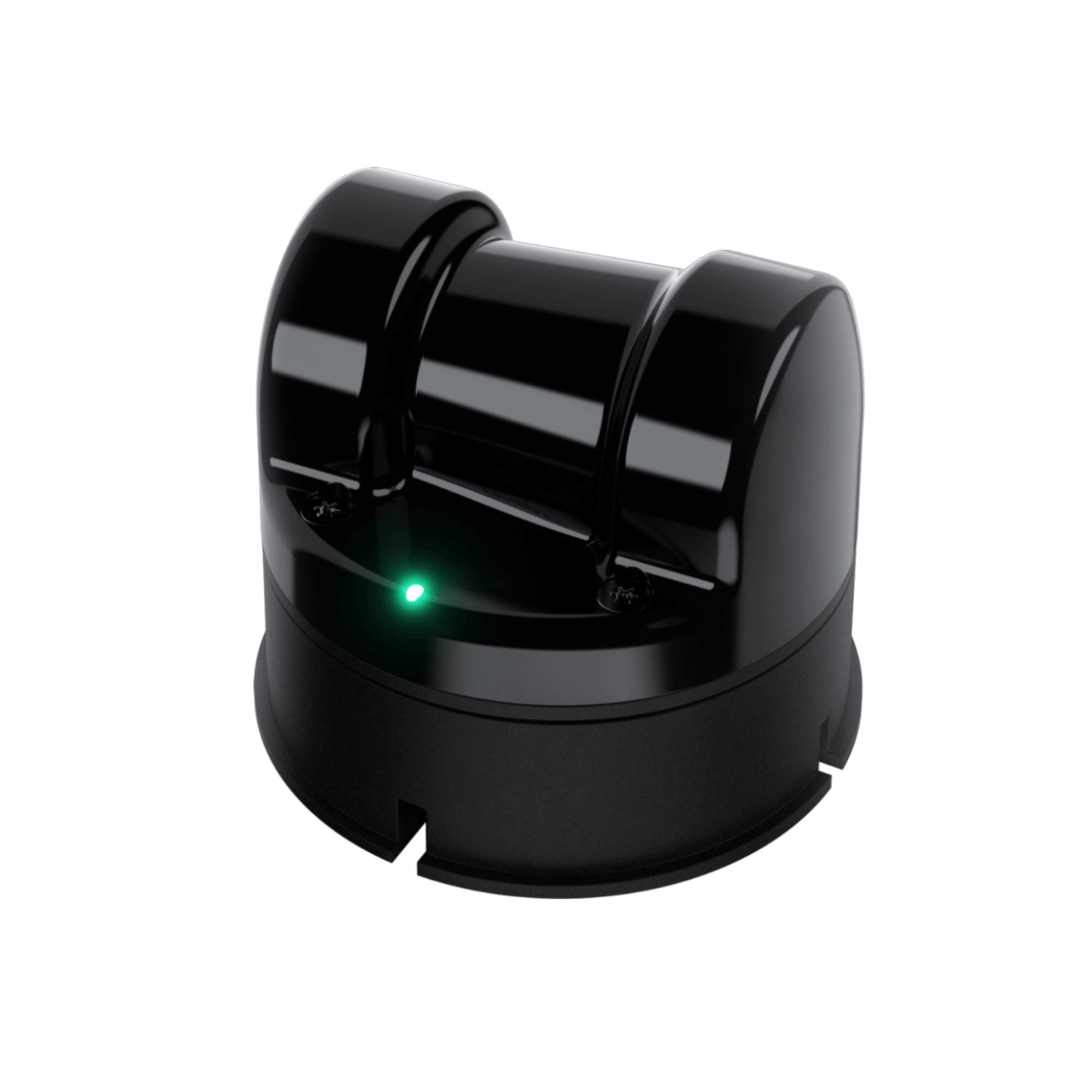
An omnidirectional LiDAR with an IMU, 64,000 effective points per second and a 360° × 96° field of view. Denser point clouds than L1, with Ethernet UDP for mobile mapping integration.
Technical DifferencesApproximately three times L1’s effective point rate. Supports Ethernet UDP and TTL UART; the manufacturer also provides POINT-LIO mapping resources.
Operating ConditionsRange is 30 m at 90% reflectivity or 15 m at 10%. Range is shorter in the negative-angle region.
Ask About This Model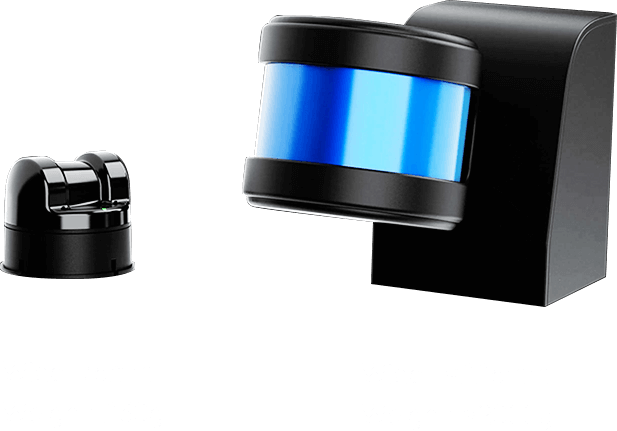
An omnidirectional LiDAR with an IMU, 21,600 effective points per second and TTL UART. At high reflectivity, PM and RM list ranges of 20 and 30 m respectively, for point-cloud, mapping and navigation software research.
Technical Differences360° × 90° field of view. PM and RM differ in range; L2 has a higher effective point rate and adds Ethernet.
Operating ConditionsRange depends on surface reflectivity. Mapping software must be integrated on a host; the LiDAR supplies point-cloud and IMU data.
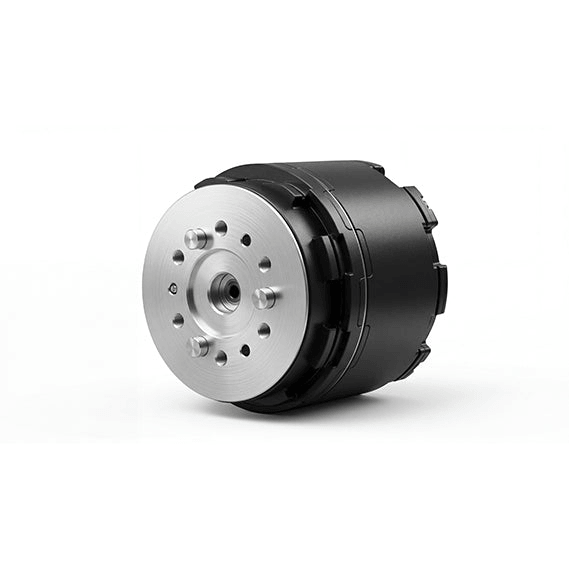
An integrated joint motor with a driver and gearbox, weighing 535 g with RS485. Absolute encoders on both rotor and output support joint control requiring feedback from both ends.
Technical DifferencesDual-ended encoders distinguish it from GO-M8010-6. The mechanism is 65 mm in diameter and 60 mm long.
Operating Conditions31.7 and 34.4 N·m are peak torques in different rotation directions, not continuous torque ratings.
Ask About This Model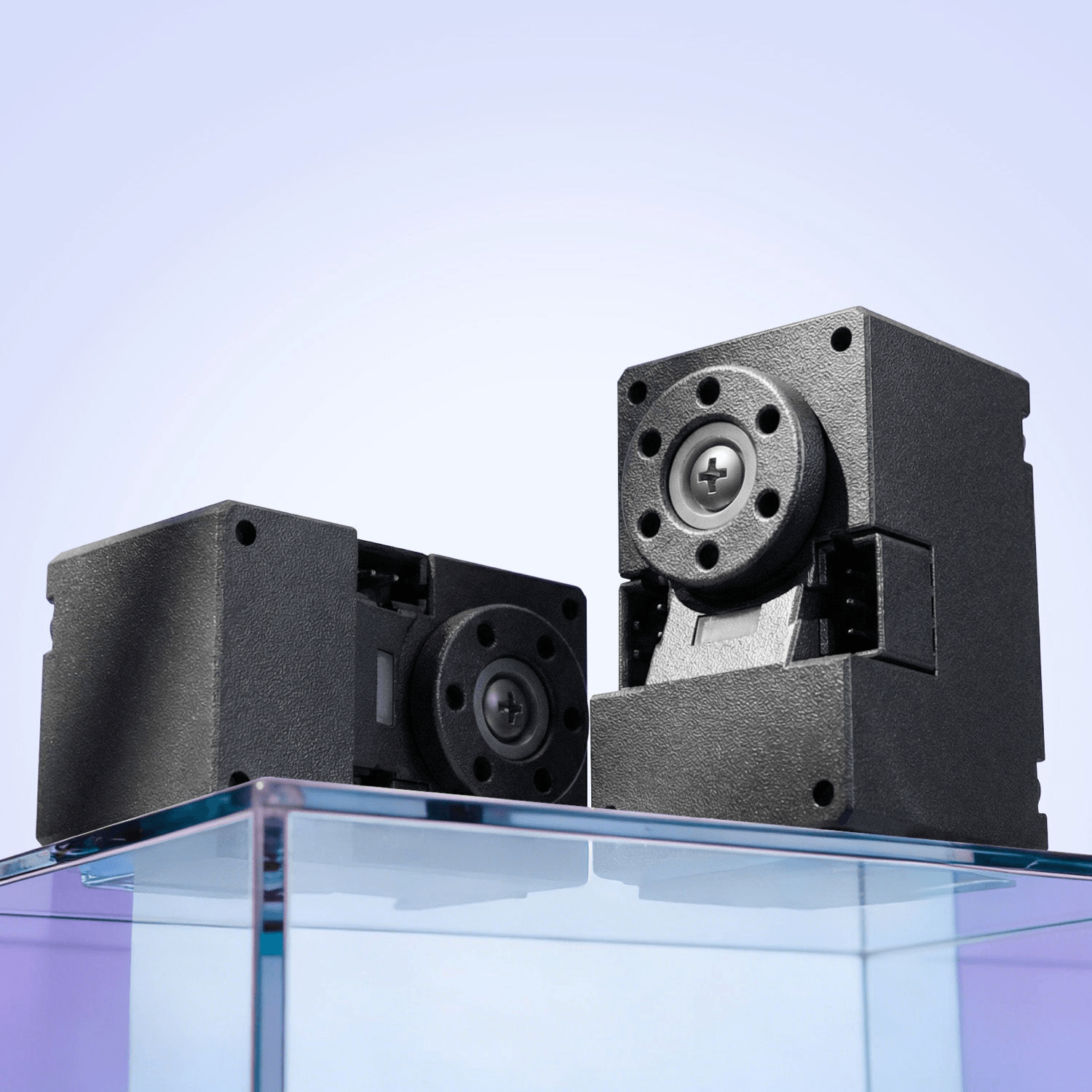
Lightweight digital servos: S288 uses a 19.5 g plastic structure; J288 uses a 39 g metal structure with higher torque. Both use a TTL digital bus rather than conventional PWM control.
Technical DifferencesStall torque is 0.6 N·m for S288 and 1.5 N·m for J288. Both have rotor and output encoders.
Operating ConditionsStall figures are not continuous loads. Maximum supply voltage is 12.6 V for S288 and 25.2 V for J288. Both require digital-protocol control.
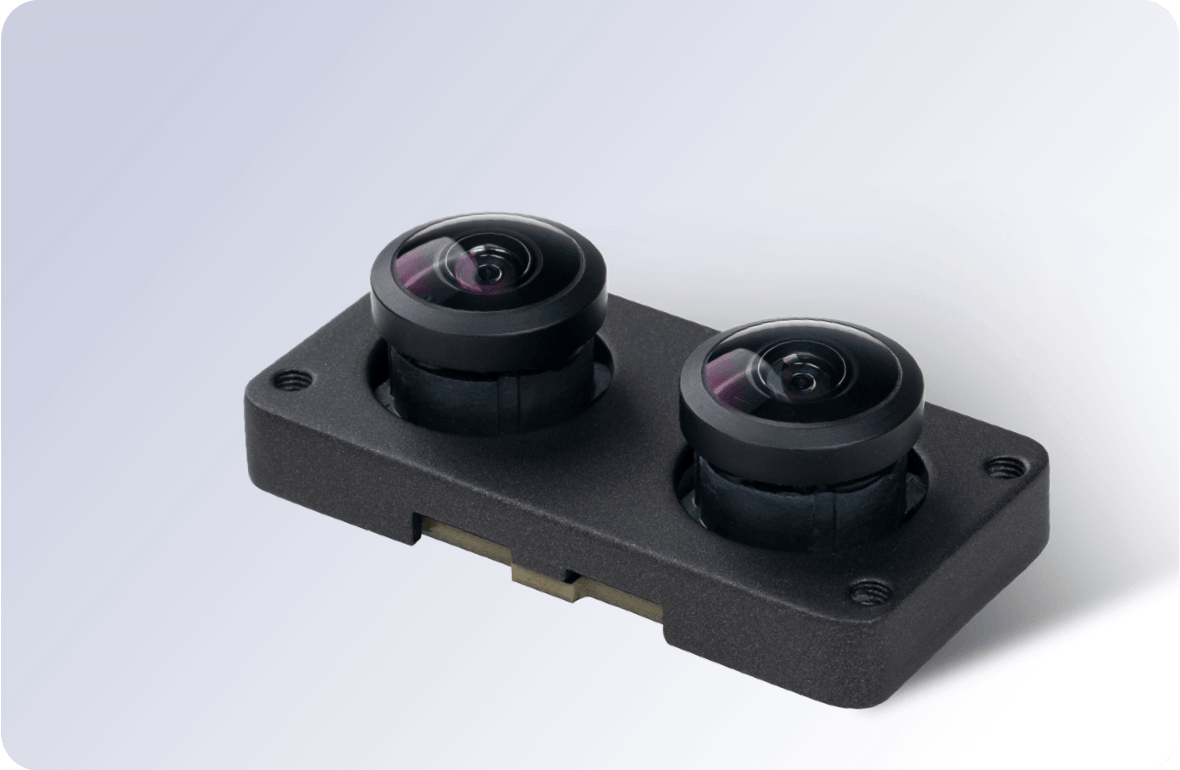
An ultra-wide-angle stereo camera with a 25 mm baseline, outputting MJPEG/YUV2 images over USB for stereo-vision development.
Technical DifferencesOutputs 1856 × 800 at 30 fps or 928 × 400 at 30/60 fps. These are image formats, distinct from L1/L2 LiDAR point-cloud data.
Operating ConditionsThe manufacturer lists image formats, without specifying direct depth-image output. Stereo-vision algorithms require host software.
Ask About This Model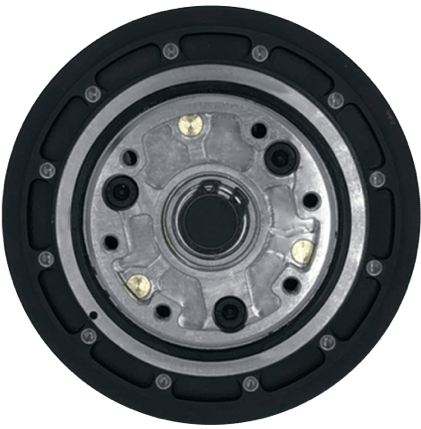
A 605 g joint motor with 20–40 V supply and 1 kHz RS485 control. Maximum instantaneous torque is 33.5 N·m: higher than GO-M8010-6, with lower speed and control frequency.
Technical DifferencesMaximum joint speed is 21 rad/s, with a 1 kHz control frequency. Compare the trade-off between torque and speed.
Operating ConditionsInstantaneous torque and maximum speed occur at different operating points and cannot be treated as simultaneous continuous output.
Ask About This Model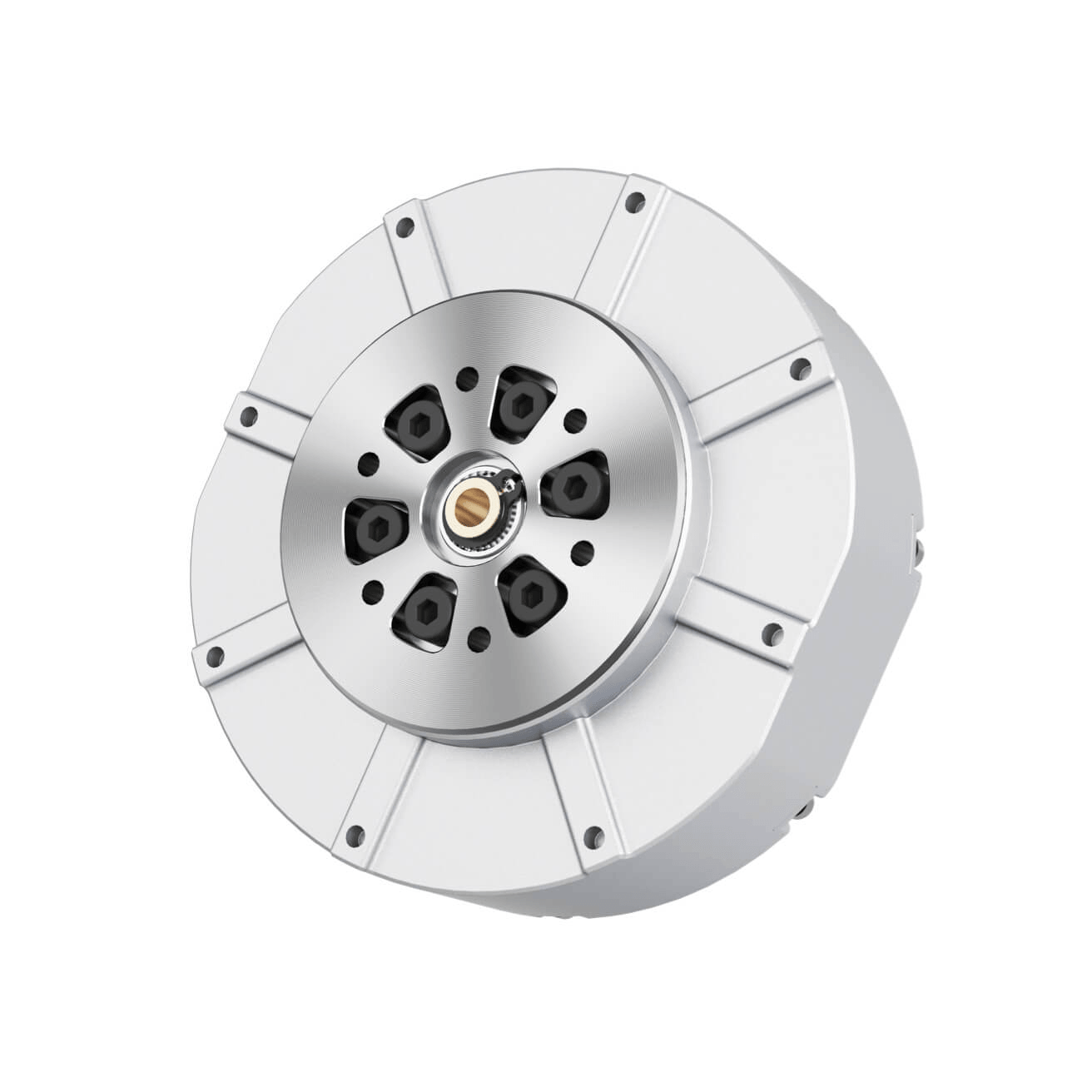
An approximately 530 g joint motor with integrated FOC, encoder and gearbox, with a recommended 24 V supply. Lighter than A1 Motor, with higher maximum speed and control frequency.
Technical DifferencesUp to 30 rad/s at 24 V and 6000 Hz control, with 4 Mbps RS485 and a 1:6.33 gear ratio.
Operating ConditionsMaximum 23.7 N·m torque and maximum speed refer to different operating points. Manufacturer operating range is −5 to 40°C.
Ask About This Model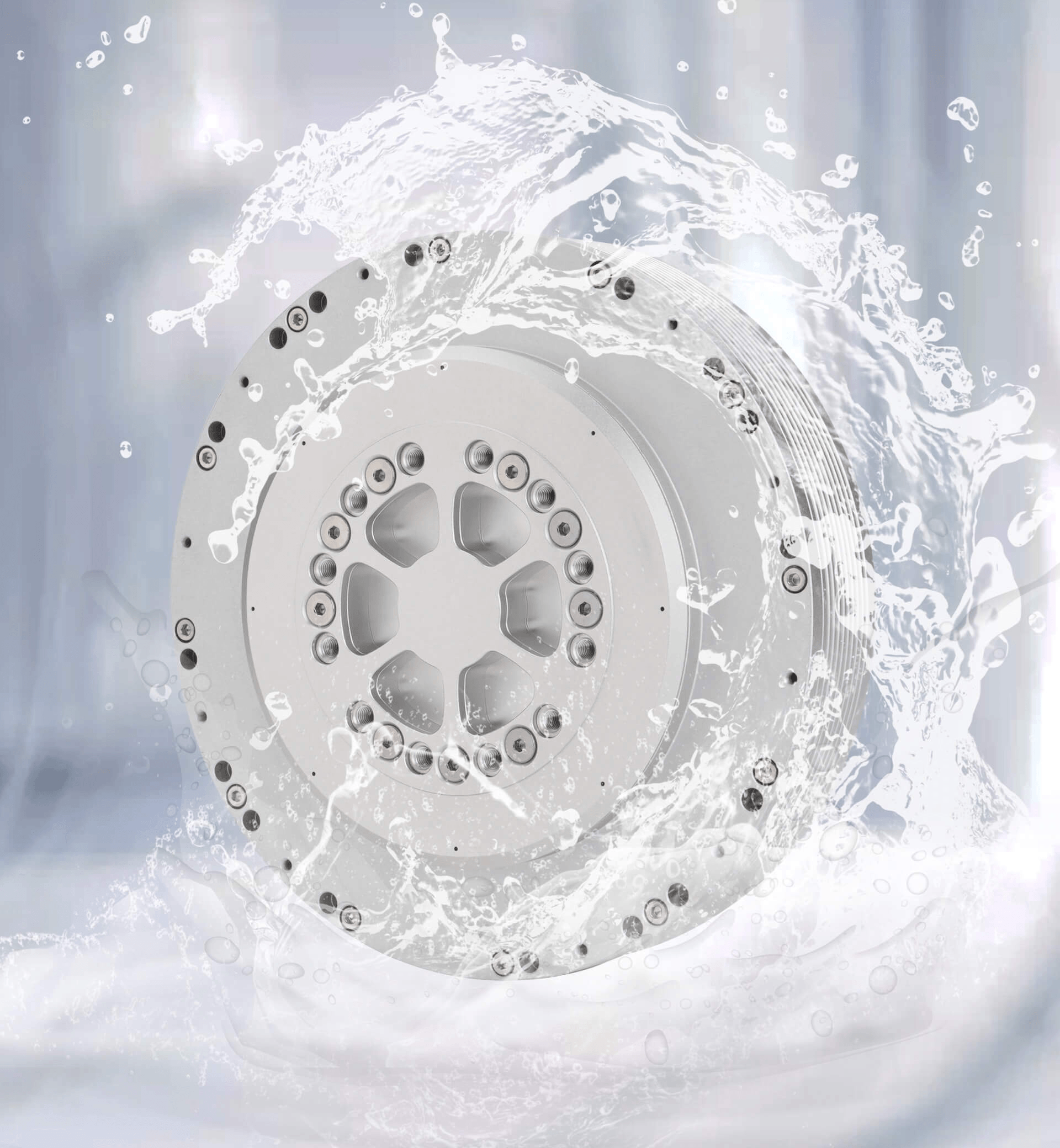
An IP68 heavy-duty joint weighing 1740 g, with a 36–64 V supply and RS485. Maximum instantaneous torque is 140 N·m, for mechanisms requiring greater torque and sealing.
Technical DifferencesHeavier than A1 Motor and GO-M8010-6, with higher instantaneous torque and an IP68 rating. 1 kHz communication returns torque, angle and speed data.
Operating Conditions140 N·m is instantaneous torque. An IP68 joint does not give an entire custom-built robot the same sealing rating.
Ask About This Model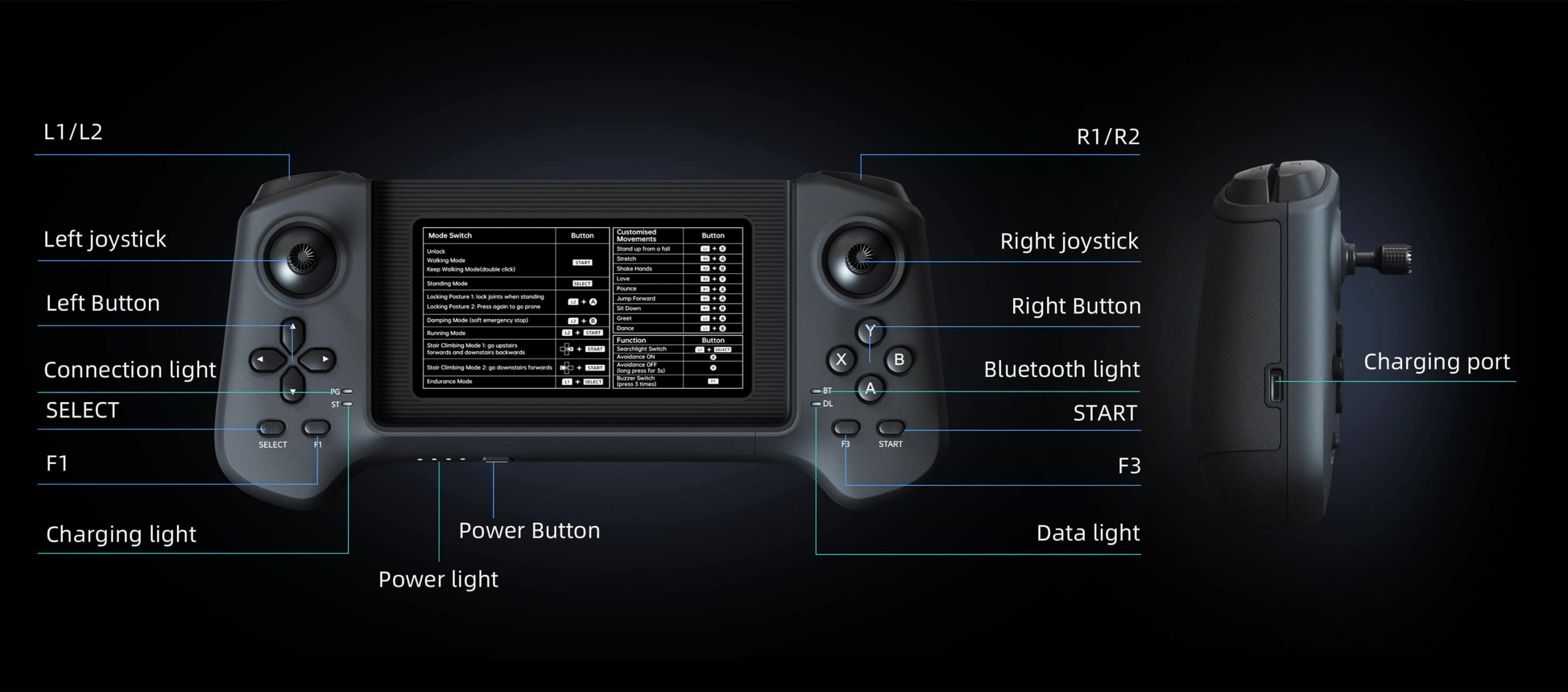
A handheld controller for multiple robot models, with dual joysticks, 12 buttons and four shoulder buttons. The manufacturer lists G1, H1, Go2 and B2 among supported models for operation and mode switching.
Technical DifferencesFor manual operation and mode switching, distinct from the Go2 automatic-following transmitter. Includes a phone holder.
Operating ConditionsReference battery runtime is five hours. Button functions depend on each model’s manual.
Ask About This Model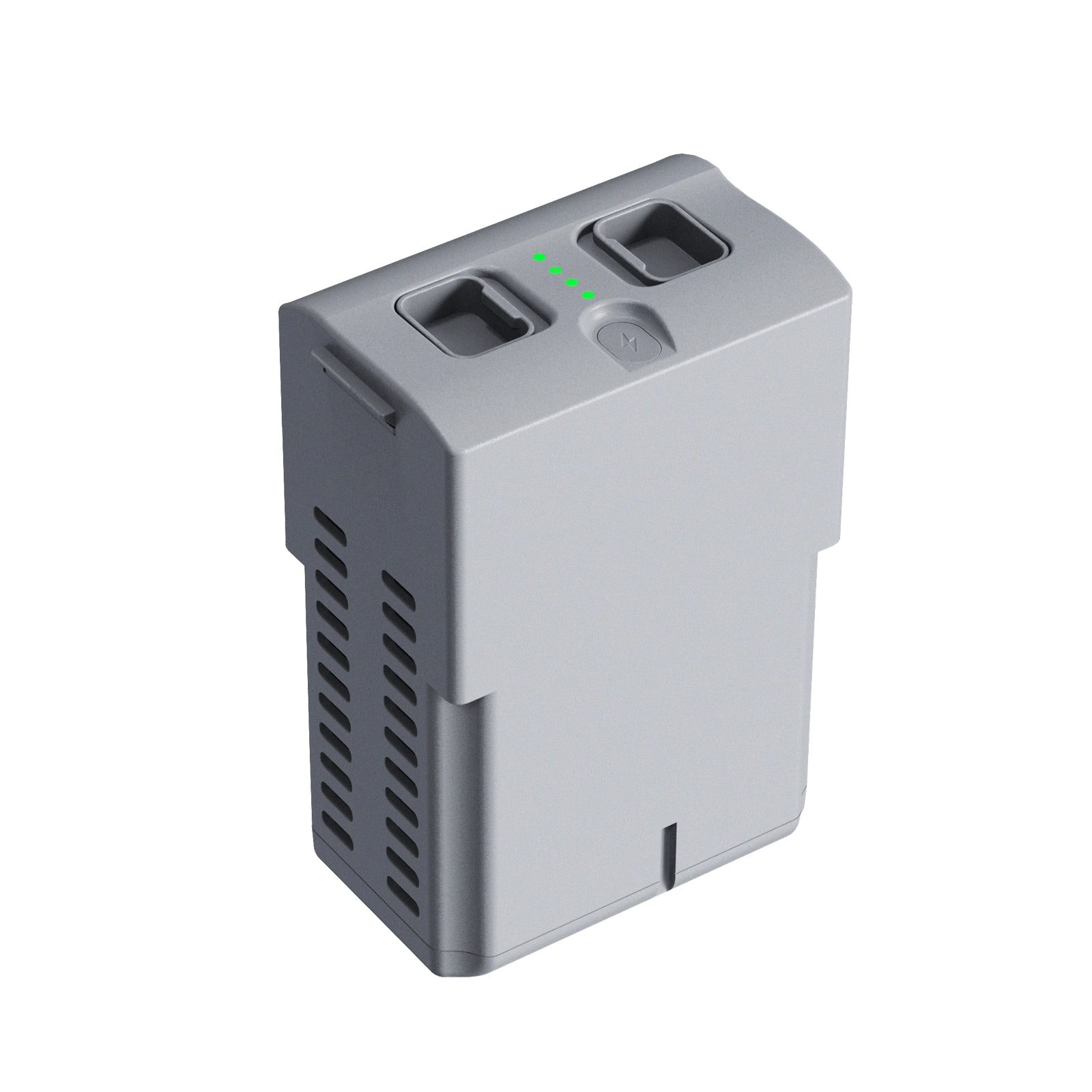
Spare Go2 batteries: BT2-05 standard, 8000 mAh; BT2-06 extended-runtime, 15000 mAh.
Technical DifferencesThe 8000/15000 mAh Go2 range is separate from Go1’s 6000/9000 mAh batteries. For rotation during charging and spare capacity.
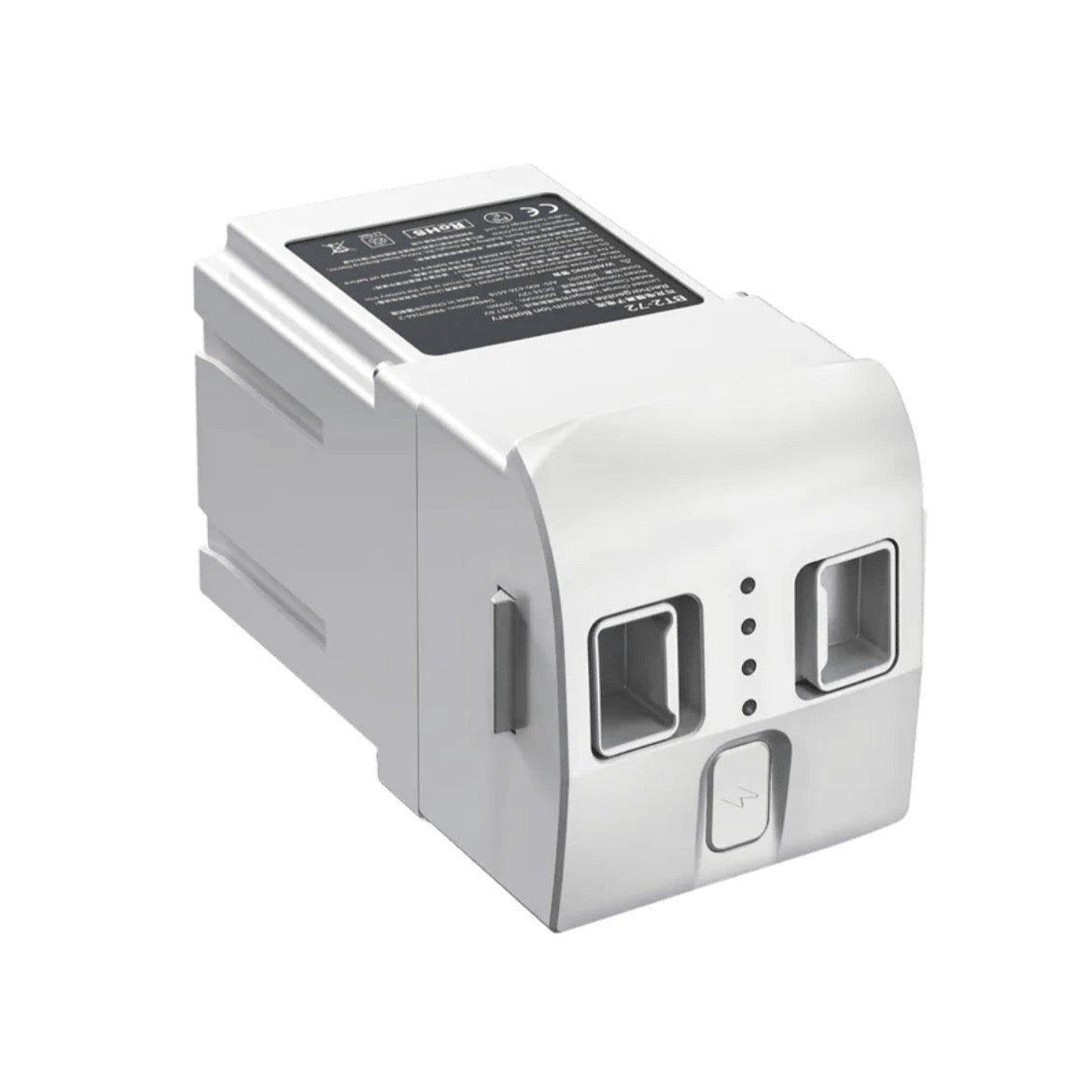
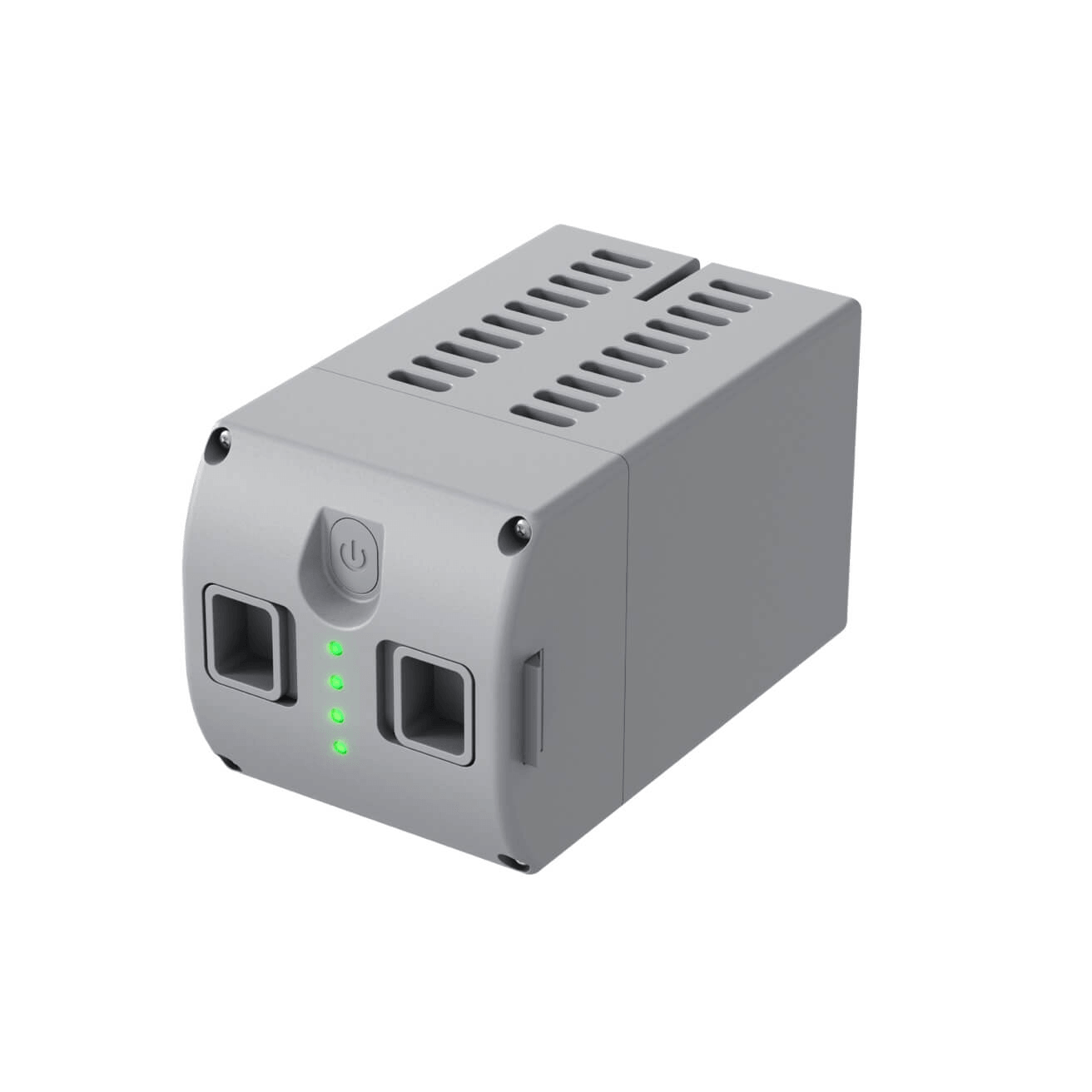
A quick-release replacement battery for R1, rated at 33.12 V, for rotating batteries during courses or experiments. White and red versions are listed in the store.
Technical Differences93.9 × 90.3 × 159 mm, rated at 33.12 V. A quick-release power unit for R1.
Ask About This Model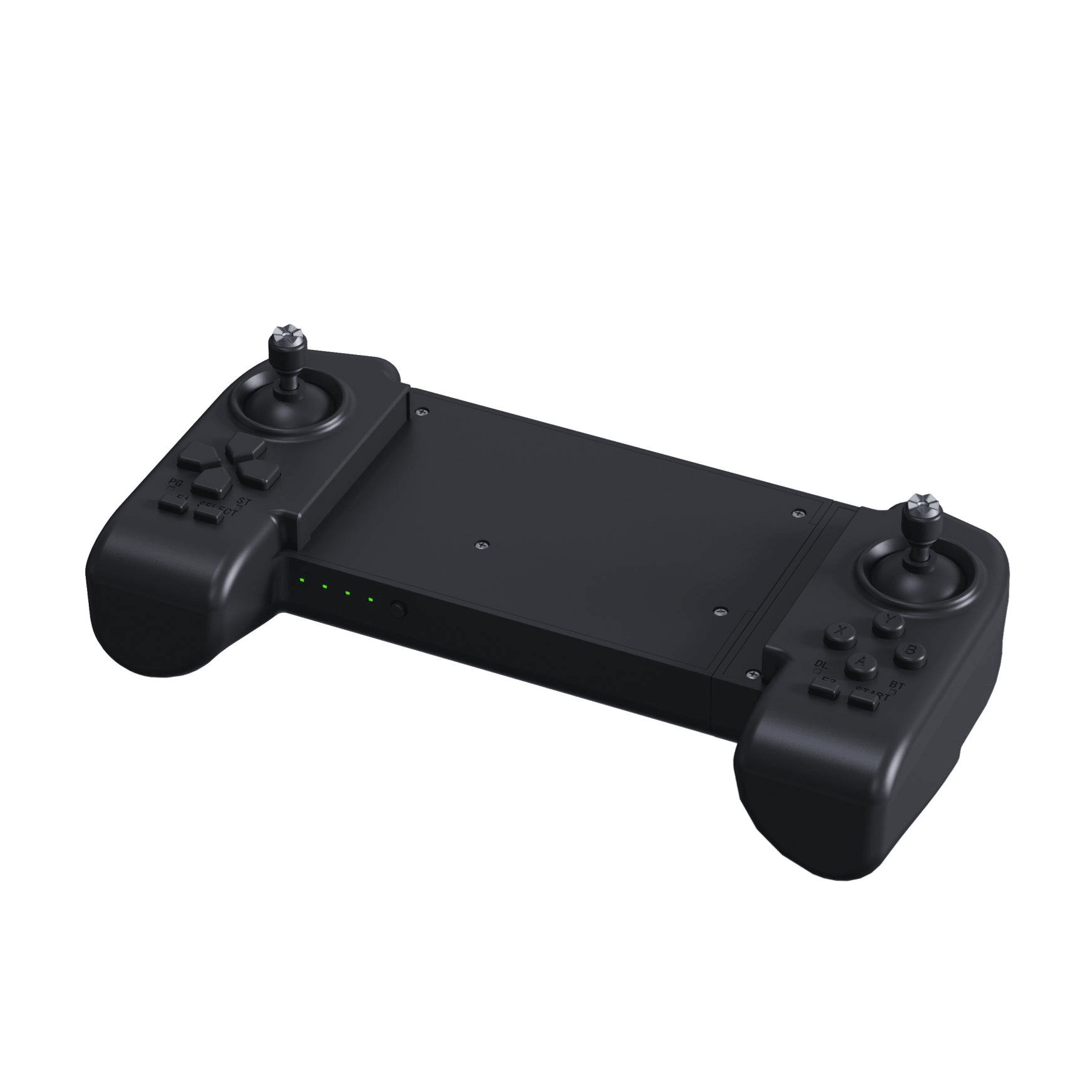
A two-hand Go2 controller with built-in data transmission and Bluetooth modules. Configure through the app for manual control and movement operation.
Technical DifferencesA manual controller, distinct from the ISS transmitter used for automatic following.
Ask About This Model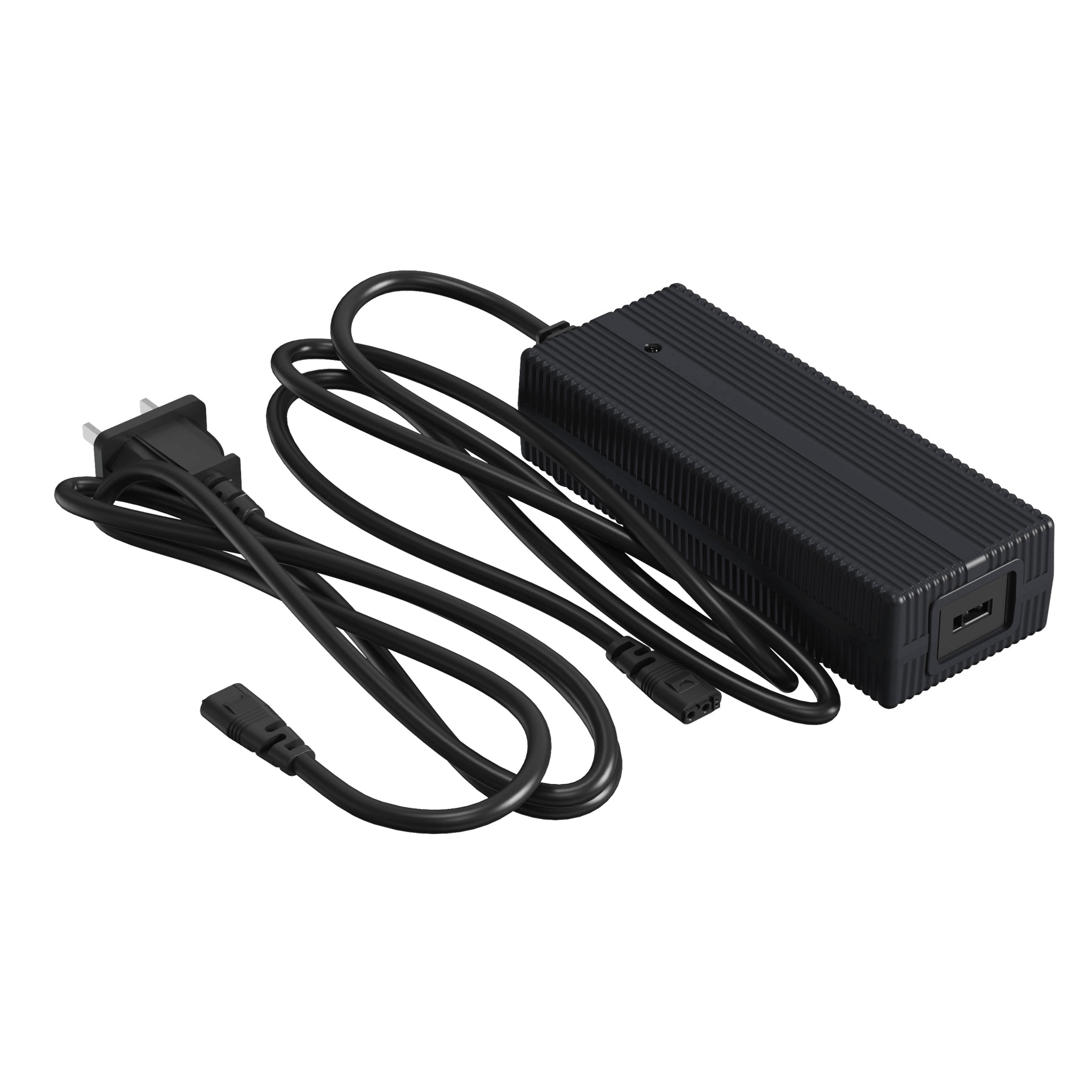
Go2 battery chargers: standard 33.6 V/3.5 A or fast 33.6 V/9 A. Output current is the difference between the two.
Technical DifferencesBoth operate at 33.6 V, with 3.5 A and 9 A outputs respectively, for Go2 batteries.
Spare Go1 batteries in standard 6000 mAh or extended-runtime 9000 mAh capacities, separate from the Go2 battery range.
Technical DifferencesFor the earlier Go1 series, in 6000 and 9000 mAh capacities.
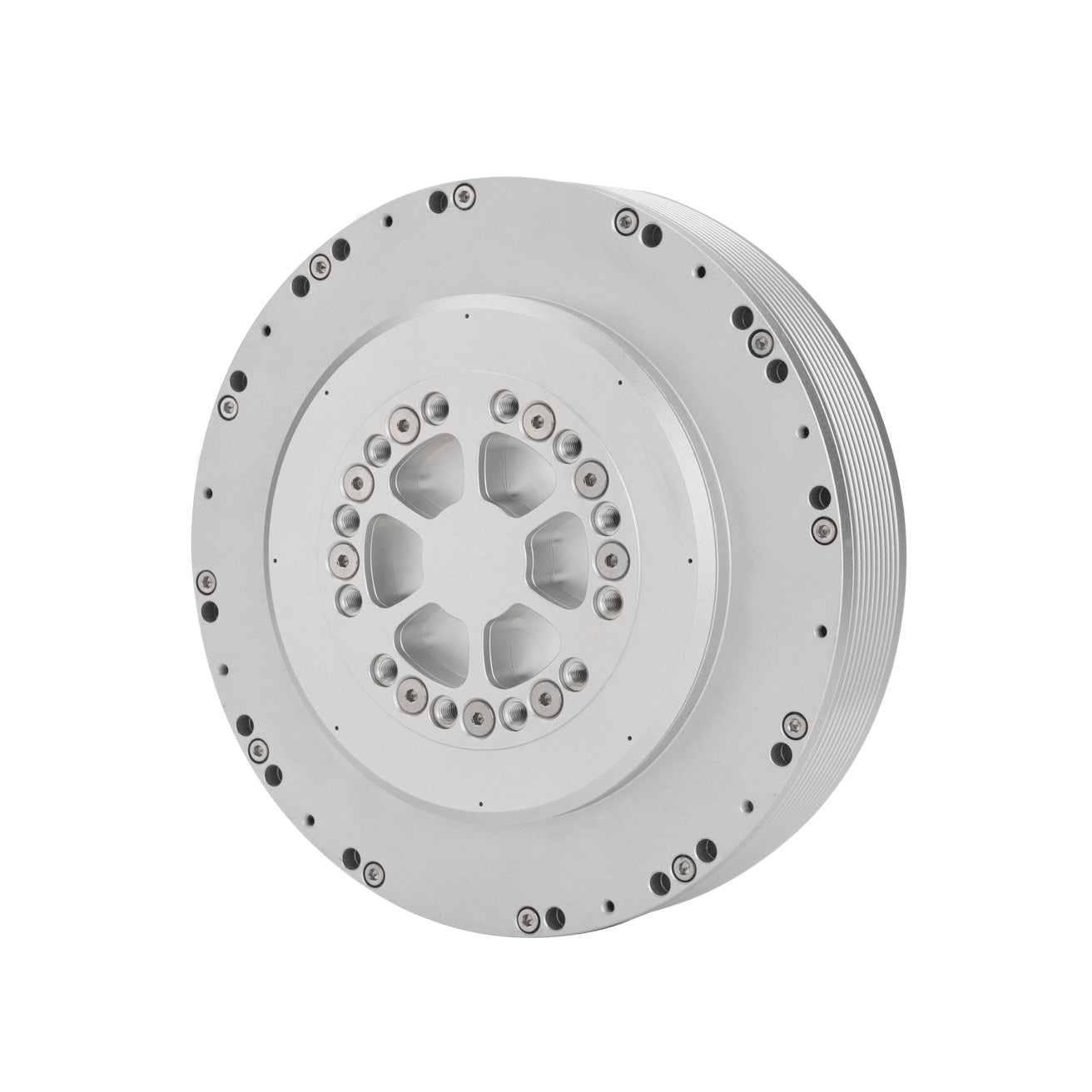
A replacement motor for B1 robot maintenance, listed as a separate accessory in the official store.

Cyberport | An Appointed Programme Service Provider
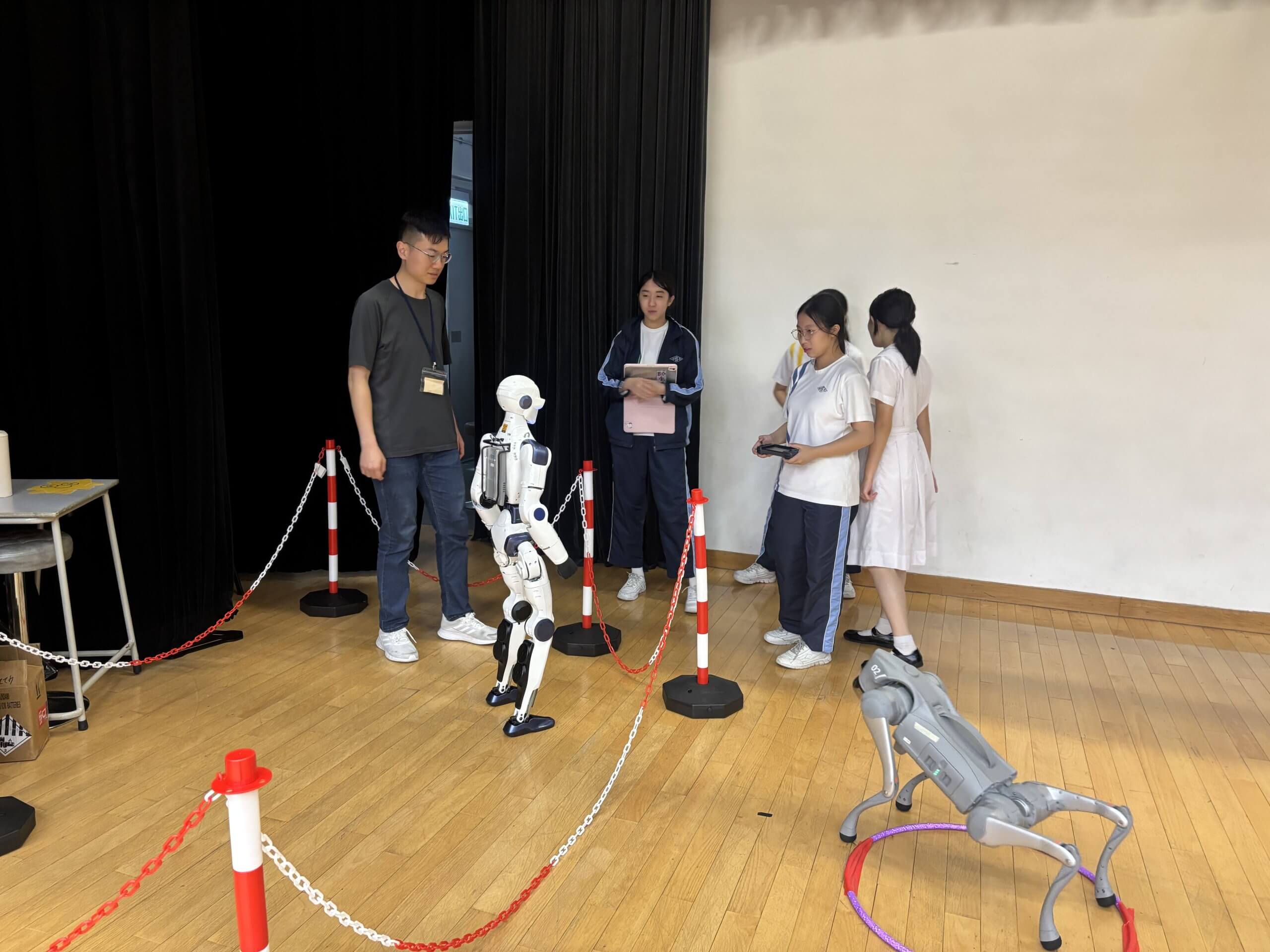
Vinci AI delivers embodied intelligence workshops. Our founder was also invited to the launch ceremony panel to discuss AI education and robotics applications.
Explore AI for All Workshops
Education Bureau AI Education Delegation
Vinci AI helped Unitree coordinate the Education Bureau delegation’s visit to Hangzhou and introduced education representatives to developments in embodied intelligence robotics.
Read the Education Bureau Visit
Hong Kong Education Delegation
Vinci AI led a Hong Kong education delegation to the conference, exchanging views on robotics technology and education with Unitree and embodied intelligence companies.
Read the Conference VisitYes. Robot hardware can be purchased separately, with training, development and lab planning added as needed.
Ready-made operation and custom development require different interfaces, access and accessories. Compare the versions for each model; similar appearance does not mean identical development capabilities.
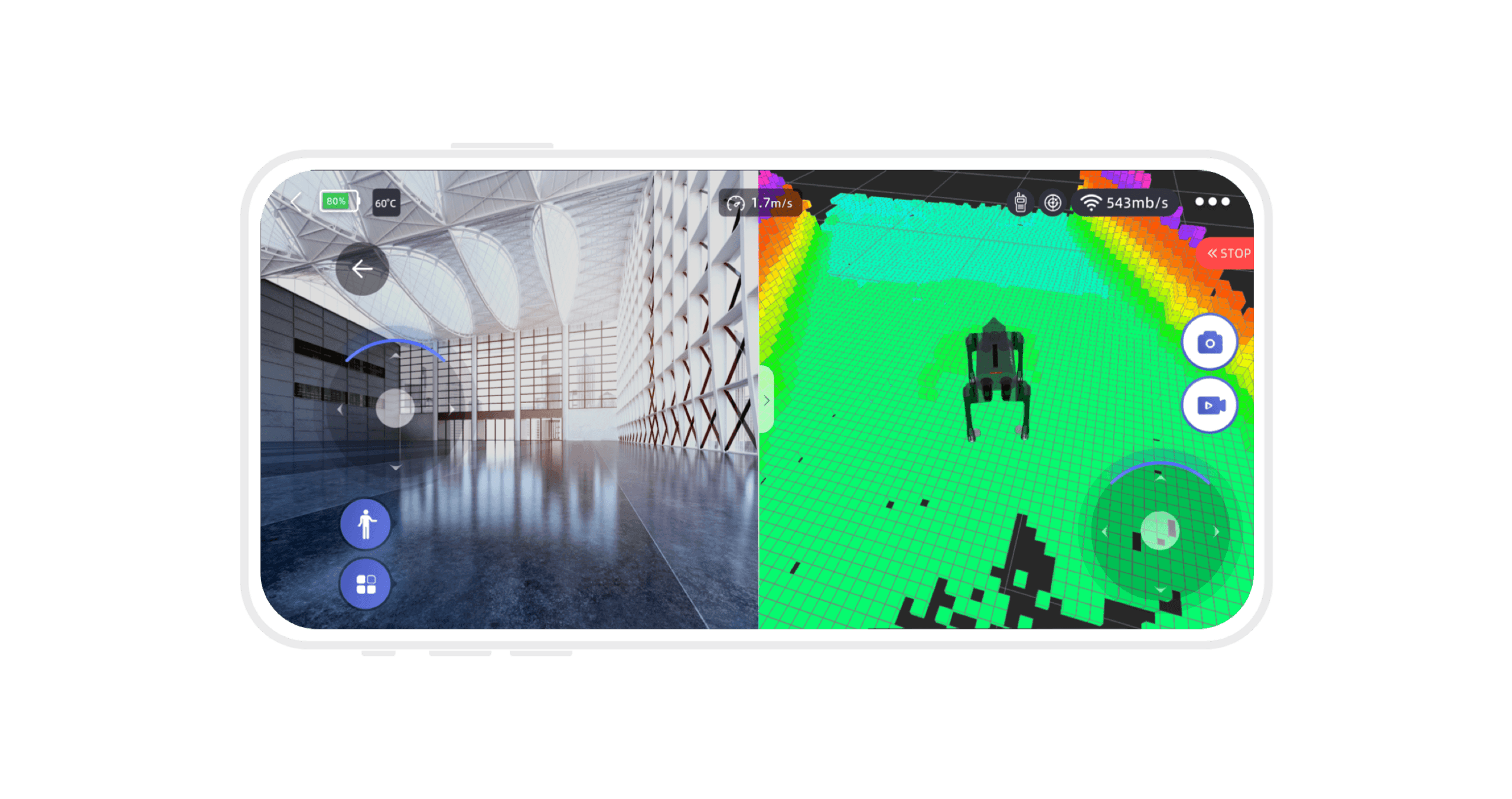
View camera images and LiDAR point clouds to see the surroundings from the robot’s perspective. Supported features depend on the version.
Yes. Tell us what you want to achieve, who will use the equipment and where it will operate. We can start with model selection, or discuss procurement if you already have a configuration list.


